

Are muscle tightness, chronic pain, and post-exercise soreness becoming your constant companions? If so, it might be the perfect time to consider a sports massage. Recognising the signs that indicate the need for this therapeutic intervention can drastically improve your performance and overall wellbeing. From persistent stiffness after sports activities to experiencing limitations in flexibility and mobility, your body sends clear signals when it’s time for some professional attention. In this article, we’ll delve into the top five signs you need a sports massage now, ensuring you stay ahead in your game and maintain peak physical health.
Recognising the signs that indicate the need for a sports massage is crucial for maintaining optimal physical health. Timely intervention can prevent minor issues from escalating into serious problems.
Muscle tightness, chronic pain, reduced flexibility, and post-exercise soreness are common signs suggesting the necessity of a sports massage. Persistent stiffness after engaging in sports activities and experiencing performance limitations further underline the need for professional attention. These symptoms can result from tight and damaged muscles holding onto waste products like lactic acid, leading to discomfort and restricted movement.
Addressing these signs promptly can vastly improve well-being. Sports massage enhances fluid and nutrient flow, promotes the release of natural endorphins, and helps in loosening tight muscles and connective tissues. This not only alleviates pain and restores flexibility but also optimises overall physical performance.
Muscle tightness
Chronic pain
Reduced flexibility
Post-exercise soreness
Persistent stiffness
Muscle tightness is a common symptom that can significantly impact daily activities and overall well-being. Often resulting from overuse, poor posture, or inadequate recovery, tight muscles hold onto waste products like lactic acid. This accumulation leads to stiffness, discomfort, and restricted movement. When muscle fibres become tight and damaged, it disrupts fluid and nutrient flow, exacerbating the issue. Sports massage can alleviate muscle tightness by promoting circulation, enhancing nutrient delivery, and facilitating the release of natural endorphins, which act as the body’s natural pain relievers.
Chronic pain, on the other hand, can be more debilitating and persistent. It often stems from long-term muscle tension or repetitive strain injuries. Conditions such as fibromyalgia, tendonitis, or even prolonged stress can lead to chronic muscle pain. This ongoing discomfort can limit mobility, reduce physical performance, and affect mental health. By addressing tight and damaged muscles through targeted techniques, sports massage helps to break the cycle of pain. It improves fluid and nutrient flow, reduces inflammation, and promotes muscle relaxation, providing both immediate relief and long-term benefits.
Symptom | Cause | Effect |
|---|---|---|
Muscle tightness | Overuse, poor posture, inadequate recovery | Stiffness, restricted movement |
Chronic pain | Long-term tension, repetitive strain, stress | Reduced mobility, decreased performance |
Frequent muscle pain | Accumulation of waste products, inflammation | Discomfort, disruption of daily activities |
Flexibility is crucial for maintaining overall physical health and preventing injuries. It allows for a full range of motion in joints, making daily activities and athletic performance more efficient and safer.
Reduced range of motion often results from tight muscles and connective tissues. Factors such as poor posture, repetitive movements, and lack of stretching can lead to muscle stiffness and shortened muscle fibres. Over time, these issues can cause joint restrictions and limited mobility, affecting both everyday tasks and athletic activities.
Sports massage can significantly improve flexibility and range of motion by loosening tight muscles and connective tissues. Techniques such as deep tissue massage, myofascial release, and stretching are employed to target specific areas of tension. This not only alleviates muscle stiffness but also enhances circulation and nutrient delivery to the muscles, promoting quicker recovery and better overall performance.
Persistent muscle pain and soreness can be debilitating, affecting one’s quality of life and daily activities. This type of discomfort often arises from continuous muscle strain, poor posture, or prolonged periods of inactivity. If left unaddressed, it can lead to chronic pain conditions that are harder to treat.
Frequent back pain and persistent shoulder pain are particularly common among office workers who spend long hours seated at desks. Poor ergonomics and lack of movement contribute to muscle tension in these areas, resulting in discomfort and reduced mobility. Additionally, general muscle soreness can occur due to overuse during physical activities or insufficient recovery after exercise. This soreness often signifies that muscles are not adequately healing, leading to prolonged pain and stiffness.
Sports massage offers an effective solution for relieving built-up tension and resetting posture. By employing techniques such as deep tissue massage and trigger point therapy, sports massage helps to loosen tight muscles, improve circulation, and promote the release of natural endorphins. These benefits facilitate quicker recovery, reduce inflammation, and alleviate pain, enhancing overall well-being.
Shoulders
Lower back
Neck
Upper back
Muscle knots, also known as myofascial trigger points, are small, painful areas of tight muscle fibres that can cause considerable discomfort and stiffness. These knots form when muscle fibres contract and fail to relax, often due to repetitive stress, poor posture, or overuse. Additionally, they can be triggered by acute trauma or prolonged periods of inactivity. Muscle knots restrict blood flow, leading to an accumulation of waste products and causing localised pain and inflammation. People experiencing difficulty relaxing their muscles may find their range of motion limited and their overall physical performance diminished.
Sports massage offers effective techniques to alleviate muscle knots and promote muscle relaxation. Techniques like trigger point therapy target these tight areas by applying sustained pressure to release the contracted muscle fibres. Deep tissue massage works on deeper layers of muscle and connective tissue to break down adhesions and improve blood flow. Myofascial release stretches and loosens the fascia, the connective tissue surrounding the muscles, further aiding in muscle relaxation. These approaches not only reduce pain and inflammation but also enhance circulation and nutrient delivery to the affected areas, facilitating faster recovery and improved muscle function.
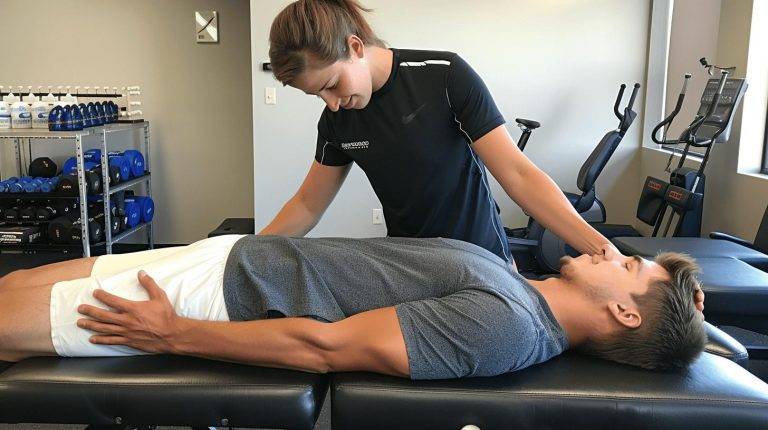
Recovery after intense workouts is crucial for muscle repair and overall physical performance. High-intensity exercises can lead to muscle fatigue and soreness, requiring effective recovery strategies to prevent long-term damage and improve subsequent performance.
Sports massage plays a significant role in post-exercise recovery by improving blood flow and reducing muscle tension. Enhanced circulation helps deliver essential nutrients and oxygen to the muscles, promoting faster healing and reducing inflammation. Furthermore, sports massage aids in the removal of metabolic waste products like lactic acid, which accumulate during intense physical activity and contribute to muscle soreness. By alleviating muscle tension, sports massage also helps to restore flexibility and range of motion, preventing injuries and enhancing overall muscle function.
Regular sports massages can significantly enhance overall performance by ensuring muscles are adequately recovered and prepared for future workouts. Consistent massages help maintain optimal muscle health, reduce the risk of injury, and improve endurance and strength. Athletes and individuals engaged in regular physical activities can benefit from incorporating sports massage into their recovery routine to achieve peak performance levels.
Faster muscle healing
Reduced inflammation
Removal of metabolic waste
Improved flexibility and range of motion
Sports injuries, such as strains, sprains, and tendonitis, can significantly benefit from sports massage. Muscle strains occur when muscles are overstretched or torn, commonly affecting athletes involved in intense physical activities. Sprains, which involve the stretching or tearing of ligaments, often result from sudden movements or impacts. Tendonitis, the inflammation of tendons, typically arises from repetitive strain or overuse. Sports massage helps in healing these injuries by improving blood flow to the affected areas, promoting faster recovery. It also aids in reducing muscle tension, enhancing flexibility, and preventing the formation of scar tissue, which can limit mobility and lead to further complications.
The timing and frequency of sports massage sessions depend on the severity of the injury and the individual’s specific needs. For acute injuries, it is advisable to wait 48-72 hours before receiving a massage to allow initial inflammation to subside. During the early stages of recovery, frequent sessions (2-3 times per week) may be beneficial to expedite healing. As the injury heals, the frequency can be reduced to once a week or as needed. Regular maintenance massages, even after recovery, can help prevent future injuries by keeping muscles flexible and reducing the risk of strain. Consulting with a qualified massage therapist can provide a personalised treatment plan tailored to the injury and overall health goals.
|
Injury Type |
Massage Benefit |
|---|---|
|
Muscle Strain |
Improves blood flow, reduces muscle tension |
|
Sprain |
Enhances flexibility, prevents scar tissue formation |
|
Tendonitis |
Promotes faster recovery, reduces inflammation |
Addressing signs you need a sports massage, such as muscle tightness, chronic pain, and reduced flexibility, can significantly impact your overall wellbeing.
Recognising these symptoms early allows for timely intervention, enhancing recovery and performance.
Regular sports massages not only help maintain muscle health but also prevent future injuries.
Incorporating sports massage into your routine ensures you stay at your physical best.
You may need a sports massage if you experience muscle tightness, chronic pain, reduced flexibility, post-exercise soreness, or persistent stiffness after sports activities.
You should get a sports massage regularly, especially after intense workouts or when experiencing pain, stiffness, or reduced flexibility, to maintain optimal muscle health and performance.
Your body may need a massage if you have chronic muscle pain, tightness, reduced range of motion, or muscle knots that make relaxation difficult.
Avoid sports massage when you have open wounds, infections, recent fractures, severe inflammation, or immediately after surgery without professional advice.