

How often do you find yourself battling persistent pain or struggling with limited mobility, unsure of how to find relief? Advanced manual therapy might hold the answers you seek. This blog post delves into the innovative techniques used in physiotherapy that are transforming patient care. You’ll discover how these evidence-based practices effectively manage neuro-musculoskeletal conditions by exploring cutting-edge methods such as manipulation, mobilisation, and massage. Join us as we uncover the secrets behind these expert techniques, unveiling how they can alleviate pain, enhance mobility, and support long-term health.
Understanding Advanced Manual Therapy Techniques
Manual therapy is a cornerstone of physiotherapy, specialising in the management of neuro-musculoskeletal conditions. This approach integrates clinical reasoning with specific manual techniques and therapeutic exercises. Its primary aim is to restore function, alleviate pain, and improve the quality of life for patients. By addressing both the symptoms and underlying causes of musculoskeletal issues, manual therapy enhances mobility, reduces discomfort, and accelerates recovery, making it an integral part of comprehensive physiotherapy care.
The techniques used in manual therapy are diverse and tailored to individual patient needs. Manipulation involves a precise, forceful movement applied to a joint, often producing an audible release and immediate relief. Mobilisation, in contrast, utilises slower, controlled movements to increase joint flexibility and reduce stiffness. The massage focuses on soft tissue, employing various pressure techniques to ease muscle tension and enhance circulation. Each method plays a crucial role in treating different aspects of musculoskeletal dysfunction, and when combined, they offer a holistic approach to rehabilitation.
- Tight muscles
- Stiff joints
- Arthritic pain
- Musculoskeletal injuries
- Post-surgical recovery
- Chronic pain management
Evidence-based practice is essential in manual therapy, ensuring that interventions are grounded in scientific research and proven efficacy. By adopting an evidence-based approach, practitioners can provide targeted treatments that are not only effective but also safe. This practice involves ongoing research, clinical expertise, and patient feedback, which together inform the development of advanced techniques. As a result, evidence-based manual therapy continues to evolve, offering patients the most current and effective solutions for their rehabilitation needs.
Expert Physiotherapy Techniques for Joint Health
Joint health is crucial for maintaining overall mobility and function. Healthy joints allow for smooth and pain-free movement, enabling individuals to carry out daily activities and engage in physical exercise. When joint health is compromised, it can lead to stiffness, discomfort, and reduced range of motion, significantly affecting quality of life. Physiotherapy techniques are essential for addressing these issues, focusing on restoring joint function and alleviating pain through targeted interventions.
Joint Mobilisation Techniques
Joint mobilisation is a key manual therapy technique used to improve joint health. It involves passive movement of specific joints aimed at restoring normal range of motion. These techniques are particularly beneficial for conditions like joint stiffness, where controlled movements help increase flexibility and decrease discomfort. Joint mobilisation can be applied to various joints throughout the body, including the spine, hips, and shoulders. The gentle, rhythmic movements used in this technique help to alleviate pain, reduce inflammation, and enhance joint function, making it an integral part of physiotherapy treatment plans.
Case Studies in Joint Health
Case studies provide valuable insights into the effectiveness of physiotherapy interventions for joint health. In one instance, a patient with chronic shoulder stiffness experienced significant improvement after a series of joint mobilisation sessions. The therapy not only increased the shoulder’s range of motion but also reduced pain levels, allowing the patient to return to their normal activities. Another case involved an elderly individual with knee osteoarthritis who reported enhanced mobility and reduced pain following a combination of joint mobilisation and exercise therapy. These examples demonstrate the potential of expert physiotherapy techniques to facilitate joint health recovery and improve patients’ quality of life.
Despite their benefits, joint mobilisation techniques come with potential risks and precautions. Practitioners must ensure that movements are performed correctly to avoid exacerbating the patient’s condition. It is essential to conduct a thorough assessment of the patient’s health and joint status before commencing treatment. Any existing medical conditions or contraindications should be considered to tailor the therapy appropriately. By adhering to these precautions, physiotherapists can safely and effectively apply joint mobilisation techniques to enhance joint health.
Soft Tissue Manipulation and Muscle Relaxation Methods
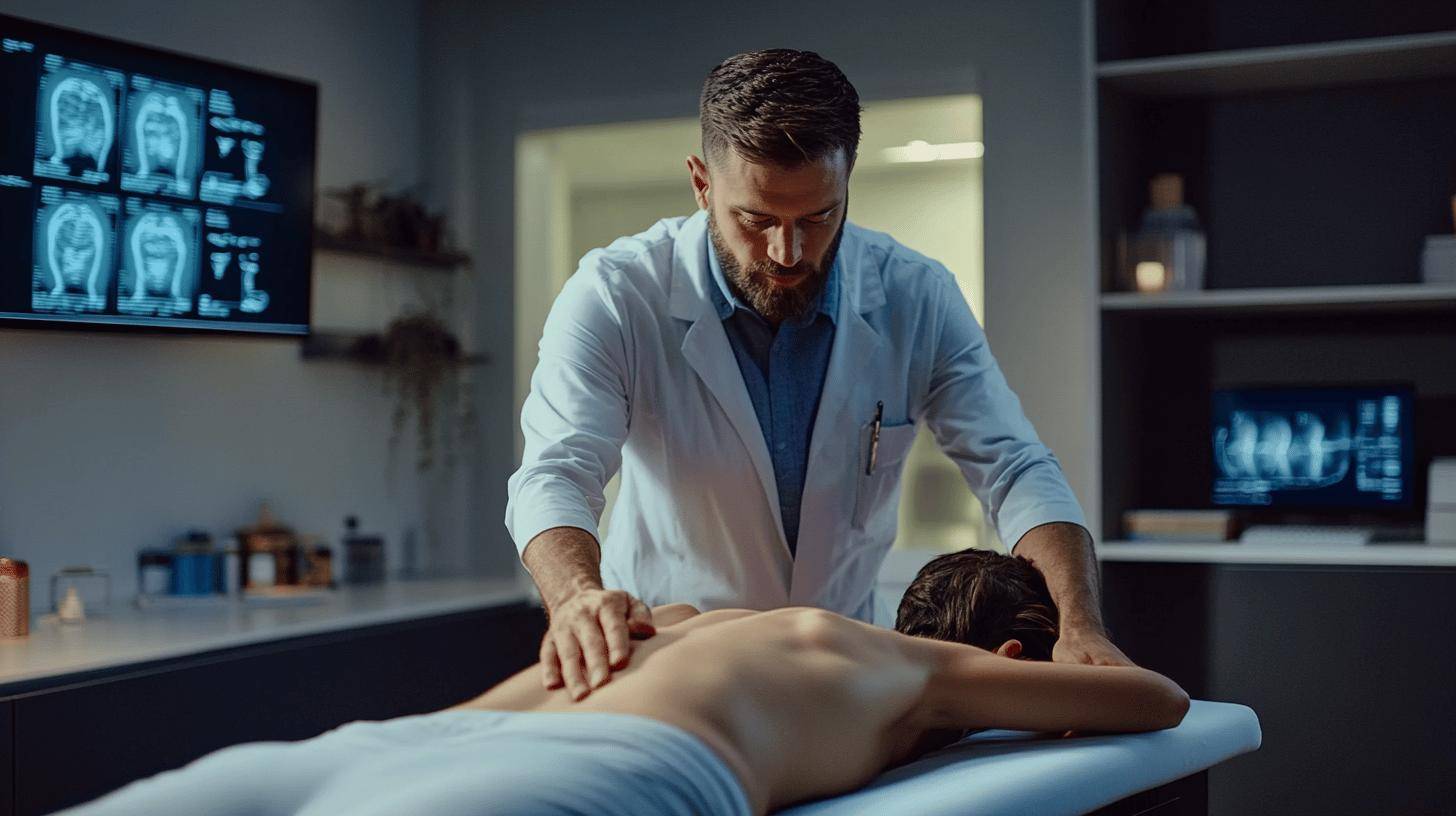
Soft tissue health is vital in physiotherapy as it directly influences mobility, flexibility, and overall musculoskeletal function. Maintaining optimal soft tissue conditions is crucial for preventing injuries, enhancing performance, and ensuring effective rehabilitation. Soft tissue manipulation encompasses a range of targeted techniques aimed at muscle relaxation and pain relief. Addressing tension and imbalances within the soft tissues promotes healing, increases circulation, and supports the body’s natural recovery processes.
Myofascial release is a specialised technique within soft tissue manipulation that focuses on releasing tension within the connective tissues, or fascia, surrounding muscles. It involves applying sustained pressure to areas of tightness, which helps to alleviate pain and restore normal movement patterns. Through myofascial release, patients often experience improved flexibility and a reduction in muscle pain. This technique is particularly effective for conditions involving chronic pain and restricted movement, offering a non-invasive approach to muscle relaxation.
Integrating soft tissue manipulation and muscle relaxation methods into a comprehensive physiotherapy treatment plan enhances the efficacy of rehabilitation. By combining these techniques with other therapeutic interventions, such as exercise and postural training, practitioners can address the root causes of musculoskeletal issues. This holistic approach not only alleviates symptoms but also promotes long-term recovery and prevents future injuries. Tailoring treatment plans to individual patient needs ensures optimal outcomes, making soft tissue manipulation an essential component of advanced physiotherapy practices.
Advanced Pain Management Strategies in Physiotherapy
Pain management is a critical component of physiotherapy, playing a pivotal role in enhancing patient care and improving quality of life. Effective pain management strategies are essential for addressing chronic pain and facilitating recovery by adopting a comprehensive approach. These strategies not only focus on alleviating symptoms but also aim to enhance functional capacity and promote long-term health benefits. By implementing evidence-based and patient-centric interventions, physiotherapists can tailor treatments to individual needs, ensuring optimal outcomes for each patient.
- Manual therapy techniques
- Targeted exercise programs
- Patient education and self-management
- Use of assistive devices
- Integration of complementary therapies
Patient Education in Pain Management
Patient education is an integral aspect of pain management in physiotherapy. By equipping patients with the knowledge and skills needed for self-management, physiotherapists empower individuals to take an active role in their recovery. Educational initiatives focus on teaching patients about their condition, effective pain-relief techniques, and lifestyle modifications that support overall well-being. This approach not only aids in immediate pain relief but also fosters sustained recovery by encouraging patients to implement strategies that prevent recurrence.
Adopting a multi-disciplinary approach to pain management offers substantial benefits, enabling a holistic treatment framework that addresses the multifaceted nature of pain. This approach involves collaboration between physiotherapists, doctors, and other healthcare professionals to provide comprehensive care. By integrating various modalities, including manual therapy, exercise, and complementary therapies, patients receive well-rounded interventions that target pain from multiple angles. Such a collaborative approach enhances treatment efficacy, promotes faster recovery, and supports long-term pain management, ultimately leading to improved patient satisfaction and health outcomes.
Manual Therapy Applications in Sports Rehabilitation
Manual therapy plays a crucial role in sports rehabilitation by addressing injuries through specific, targeted techniques. Its primary objective is to restore functional movement and expedite recovery, allowing athletes to return to their peak performance levels as swiftly as possible. By focusing on the body’s musculoskeletal system, manual therapy not only alleviates pain but also corrects dysfunctions that could otherwise impede an athlete’s progress. It is especially beneficial in treating common sports-related injuries, such as sprains and strains, by promoting optimal healing conditions.
Spinal manipulation and myofascial release are two prominent techniques employed in sports rehabilitation. Spinal manipulation involves precise adjustments to the spine, which can alleviate pressure on the nervous system and improve overall body mechanics. This technique is particularly effective in treating back pain, a frequent complaint among athletes. Myofascial release, on the other hand, targets the fascia, the connective tissues surrounding muscles. By applying sustained pressure to these tissues, myofascial release helps to relieve tension and enhance muscle flexibility, thereby reducing the risk of further injury.
- Accelerated recovery
- Enhanced mobility
- Injury prevention
- Improved athletic performance
Integrating manual therapy with other rehabilitation modalities can significantly enhance recovery outcomes for athletes. Combining these techniques with tailored exercise programmes, nutritional guidance, and psychological support creates a holistic treatment approach. This integration ensures that all aspects of an athlete’s recovery are addressed, from physical healing to mental resilience. By adopting a multi-disciplinary strategy, sports rehabilitation professionals can provide comprehensive care that optimises recovery and supports sustained athletic performance.
Physiotherapy Practices for Enhanced Patient Care
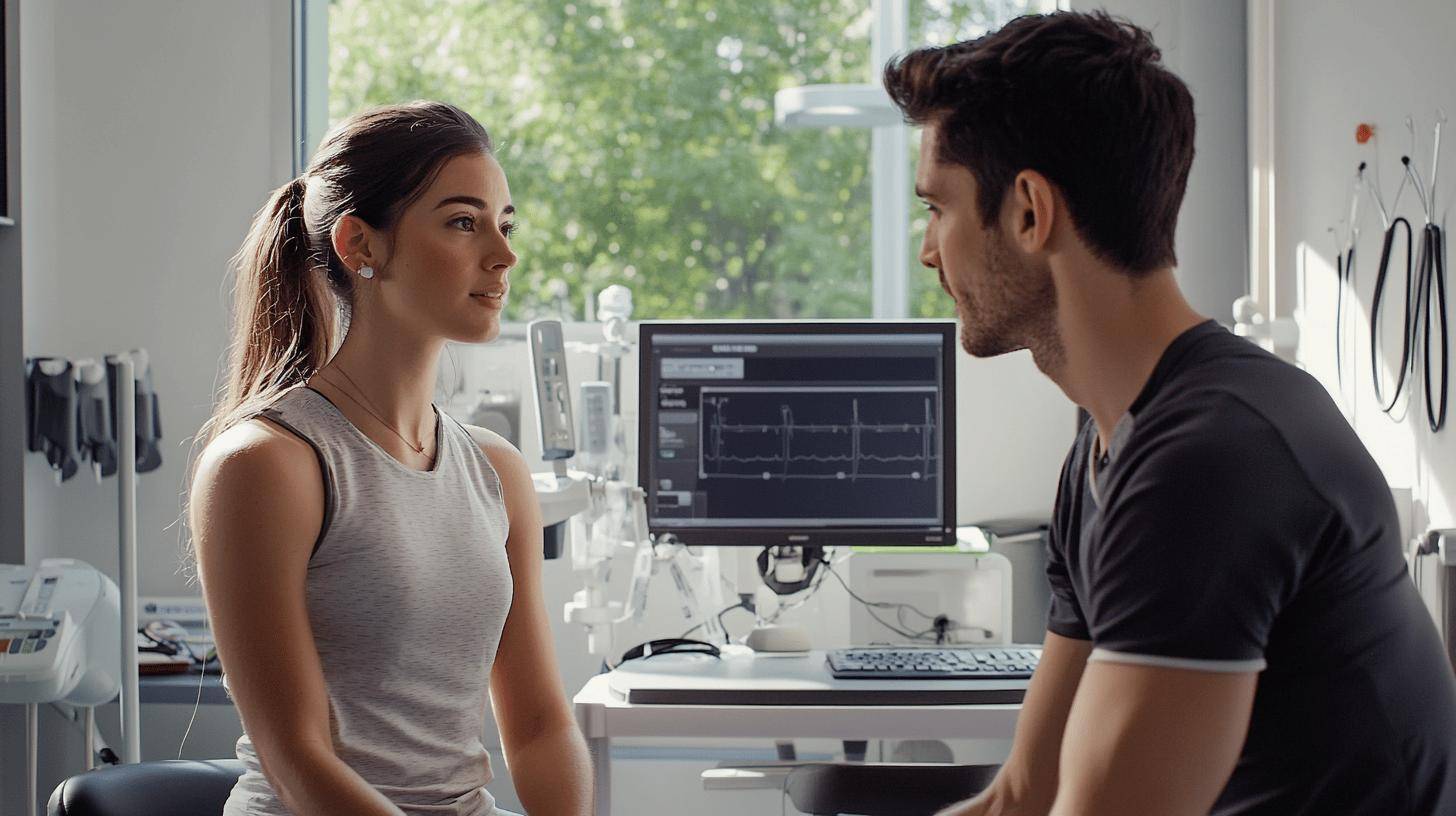
Personalised treatment plans are crucial in physiotherapy, as they address the unique needs of each patient, ensuring effective outcomes. Therapists can optimise recovery and enhance patient satisfaction by tailoring interventions to individual conditions. Personalised plans take into account the patient’s medical history, lifestyle, and specific rehabilitation goals, allowing for a more targeted approach that maximises therapeutic benefits. This customisation is critical to addressing the root causes of musculoskeletal issues and promoting long-term health improvements.
Patient feedback plays a pivotal role in refining treatment approaches, as it provides valuable insights into the efficacy of physiotherapy practices. Through regular feedback, therapists can adjust interventions to meet patient needs better, enhancing the overall treatment experience. This ongoing communication fosters a collaborative relationship between therapist and patient, empowering individuals to take an active role in their recovery journey. By incorporating patient perspectives, physiotherapists can ensure that treatments are not only effective but also aligned with patient expectations and preferences.
Essential Chiropractic Torquay exemplifies a commitment to patient-centred care, making it a recommended choice for those seeking personalised physiotherapy. Their approach involves developing individualised treatment plans based on thorough assessments and continuous feedback. This ensures that each patient receives the most appropriate and effective care for their specific conditions. Essential Chiropractic Torquay consistently delivers high-quality, patient-centric physiotherapy services that enhance recovery and well-being by prioritising patient needs and preferences.
Final Words
Advanced manual therapy, encompassing manipulation, mobilisation, and massage, plays a pivotal role in managing neuro-musculoskeletal conditions. These expert physiotherapy techniques, including joint mobilisation, effectively enhance joint health and mobility. Soft tissue manipulation and myofascial techniques offer tailored muscle relaxation and pain relief methods. They also integrate seamlessly into comprehensive treatment plans.
Moreover, employing advanced pain management strategies, physiotherapists deliver patient-centric care tailored to individual needs. In sports rehabilitation, manual therapy expedites recovery and enhances performance. With these insights into advanced manual therapy, individuals can approach physiotherapy with confidence, knowing it adheres to evidence-based best practices.
Experience cutting-edge physiotherapy – Book your consultation at Essential Chiropractic today!
FAQ
What are the three manual physical therapy techniques?
Manual therapy techniques include manipulation, mobilisation, and massage. These techniques are used to address neuro-musculoskeletal conditions, providing relief and improving mobility.
What are examples of manual therapy in physiotherapy?
In physiotherapy, manual therapy examples encompass manipulation for joint breakdown, mobilisation to increase movement, and massage for muscle relaxation and pain relief.
Is manual therapy the same as physiotherapy?
Manual therapy is a specialised area within physiotherapy. It involves hands-on techniques aimed at alleviating pain and improving function, forming a part of broader physiotherapy treatment plans.
Is manual therapy the same as chiropractic?
Manual therapy and chiropractic share hands-on treatment techniques but differ in philosophy and specific applications. Physiotherapists may use manual therapy as part of diverse treatment strategies, whereas chiropractic focuses primarily on spinal adjustments.
What is manual therapy in Physiotherapy?
Manual therapy in physiotherapy involves hands-on techniques such as manipulation and mobilisation, targeting specific areas to treat musculoskeletal conditions through physical interventions.
What are the principles of manual therapy?
The principles of manual therapy encompass assessment and diagnosis through clinical reasoning, the application of targeted manual techniques, and integration with therapeutic exercises for comprehensive treatment.
What conditions can manual therapy treat?
Manual therapy effectively treats conditions such as tight muscles, stiff joints, arthritic pain, musculoskeletal injuries, post-surgical recovery, and chronic pain management.
How can manual therapy courses benefit practitioners?
Manual therapy courses enhance practitioners’ skills by teaching advanced techniques, expanding their treatment repertoire, and improving patient outcomes through evidence-based practices.