
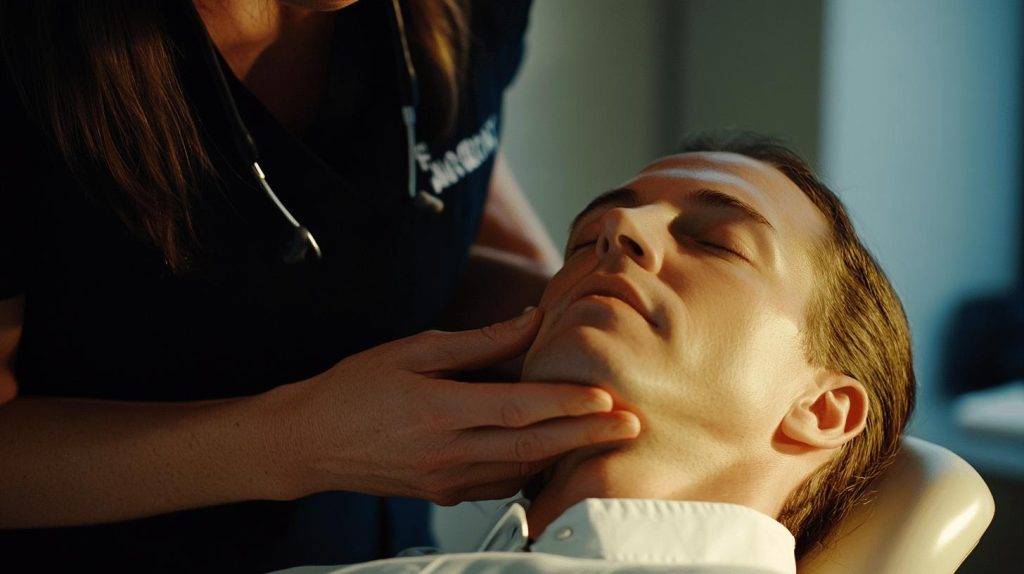
Are you tired of relying on medication to ease your jaw pain? Discover how chiropractic care offers a safe, effective alternative for treating TMJ disorders. This well-rounded approach addresses the root causes of pain and dysfunction, enhancing overall jaw function. Unlike traditional treatments, chiropractic interventions focus on holistic, drug-free relief, minimising the risk of side effects. Step into a world where managing TMJ discomfort and improving wellbeing doesn’t require medication. Uncover the techniques and benefits of chiropractic care and explore how it delivers real relief for TMJ disorders.
Understanding Jaw Pain and TMJ Disorders
TMJ disorders manifest through various symptoms that can significantly affect daily life. Common symptoms include jaw locking, which impedes normal movement, and difficulty chewing due to pain. Patients often report a popping sound when opening or closing the mouth, indicating joint dysfunction. These symptoms can lead to discomfort and frustration, making it challenging to perform routine activities.
- Bruxism: Habitual teeth grinding, often during sleep, can place excessive pressure on the jaw joint.
- Arthritis: Conditions such as osteoarthritis or rheumatoid arthritis can affect the temporomandibular joint, leading to inflammation and pain.
- Jaw Injury: Trauma from accidents or impact sports can cause misalignment or damage to the joint.
- Stress: Elevated stress levels may result in muscle tension around the jaw, exacerbating symptoms of TMJ disorder.
- Malocclusion: Misalignment of teeth can lead to improper jaw positioning, affecting the joint’s function.
The temporomandibular joint is not isolated in its impact; it is intricately connected with other body parts. TMJ disorders often extend beyond the jaw, causing neck pain and headaches due to the strain placed on surrounding muscles and nerves. Additionally, ear problems like tinnitus or a feeling of fullness can arise as the structures are anatomically close. This interconnectedness underscores the importance of addressing TMJ disorders not just as a localised issue but as a condition with systemic implications, potentially affecting overall health and well-being.
Chiropractic Techniques for Jaw Pain Relief
Chiropractic care offers a range of techniques designed to effectively relieve jaw pain and TMJ disorders. These treatments focus on noninvasive methods to enhance alignment and function, addressing the root causes of discomfort. By utilising a combination of manual adjustments, soft tissue therapy, and exercises, chiropractors aim to improve overall jaw health and alleviate associated symptoms.
Manual Adjustments
Manual adjustments are a cornerstone of chiropractic treatment for TMJ disorders. These adjustments involve precise manipulation of the jaw and surrounding areas to restore proper alignment. By addressing misalignments, chiropractors can alleviate pressure on the temporomandibular joint, reduce inflammation, and enhance overall jaw function. The precision of these adjustments ensures that the joint can move more freely, decreasing pain and improving mobility.
Soft Tissue Therapy
Soft tissue therapy plays a vital role in reducing muscle tension around the jaw. This technique involves targeted massage and manipulation of the muscles and ligaments surrounding the temporomandibular joint. By relaxing these tissues, chiropractors can alleviate tension-induced pain and stiffness. This therapy also enhances blood flow to the area, promoting healing and reducing the likelihood of recurring discomfort.
Jaw Alignment Exercises
Jaw alignment exercises are integral to chiropractic care for TMJ disorders. These exercises are designed to strengthen the muscles that support the jaw, promoting better alignment and stability. By regularly practising these exercises, patients can improve muscle tone and coordination, thus reducing the risk of joint misalignment. In turn, this can significantly decrease TMJ-related symptoms, such as pain and restricted movement.
Chiropractic Biophysics, a specialised technique within chiropractic care, focuses on correcting posture and spinal alignment. This approach indirectly alleviates TMJ-related discomfort by addressing the body’s overall mechanics. By ensuring optimal spinal alignment, chiropractors can reduce strain on the jaw and surrounding structures, contributing to long-term relief from TMJ disorders.
Benefits of Chiropractic Care Over Medication

Chiropractic care provides a drug-free alternative to traditional treatments for TMJ disorders, offering significant benefits for those seeking relief without medication. This approach eliminates the risk of medication side effects, such as gastrointestinal issues or dependency, commonly associated with long-term use of painkillers. Chiropractic techniques focus on addressing the root causes of jaw pain through manual adjustments and soft tissue therapy, which relieve symptoms and promote overall jaw health and function.
| Patient Experience | Improvement Noticed |
|---|---|
| Reduced jaw tension and improved movement | Significant decrease in pain after a few sessions |
| Alleviation of headaches linked to TMJ | Noticeable reduction in frequency and intensity |
| Enhanced jaw alignment and decreased popping sounds | Improvement in daily activities without discomfort |
Chiropractic care stands out as a holistic alternative to medication by focusing on noninvasive methods that enhance the body’s natural healing processes. Reducing medication reliance can lead to better long-term health outcomes, making chiropractic care an attractive option for those suffering from TMJ disorders. This method offers pain relief and contributes to improved quality of life by addressing the underlying issues causing the discomfort.
Complementary Therapies with Chiropractic Care
Massage therapy plays a crucial role in enhancing chiropractic care for individuals suffering from TMJ disorders. By targeting muscle tension around the jaw, massage therapy aids in relaxation and reduces discomfort, thus supporting the effectiveness of chiropractic adjustments. This integration relieves pain and promotes a holistic approach to managing TMJ symptoms, encouraging stress reduction and overall well-being.
- Acupuncture
- Physical therapy
- Cognitive behavioural therapy (CBT)
- Nutritional counselling
These complementary therapies support chiropractic care by addressing various aspects of TMJ disorders. Acupuncture can stimulate blood flow and reduce pain, while physical therapy focuses on strengthening muscles and improving posture. Cognitive behavioural treatment aids in managing stress and behavioural triggers contributing to jaw tension. Nutritional counselling ensures that dietary habits do not exacerbate inflammation or discomfort.
Integrating these therapies with chiropractic care provides a comprehensive approach to TMJ relief. Combining techniques that address physical, mental, and nutritional aspects allows patients to experience holistic pain relief and improved function. This integrated health approach targets the symptoms and tackles the underlying causes, offering long-term benefits for those dealing with jaw pain and TMJ disorders.
Patient Considerations for Chiropractic Care
Consultation and evaluation are critical for individuals considering chiropractic care for TMJ disorders. Why is it important to consult a healthcare professional before starting chiropractic treatment? The primary reason is to ensure that chiropractic care suits the individual’s specific condition, as it is generally considered safe for most patients. A thorough evaluation helps in understanding the extent of the TMJ disorder and tailoring a personalised treatment plan.
- Initial consultation to discuss symptoms and medical history
- Physical examination focusing on jaw alignment and function
- Assessment of posture and spinal alignment
- Development of a personalised treatment plan based on the findings
When considering the cost of chiropractic care, patients should know the financial aspects involved. What promotional offers can reduce the initial cost of consultation? A notable offer is a 50% discount on the initial consultation when booked online, making it more accessible for new patients to explore this treatment option. Understanding the cost implications and available promotions can help patients make informed decisions about their care. Additionally, verifying the chiropractor’s qualifications ensures they are equipped to provide effective and safe treatment for TMJ disorders.
Essential Chiropractic Torquay: Your Partner in TMJ Relief

Essential Chiropractic Torquay is a leading TMJ disorder treatment provider, offering professional chiropractic help tailored to each patient’s unique needs. With a focus on delivering effective, non-invasive relief, the clinic utilises a combination of advanced chiropractic techniques and personalised care plans. Their team of experienced practitioners is dedicated to improving jaw function and alleviating pain, making them a trusted partner in managing TMJ disorders.
Patient testimonies frequently highlight the clinic’s success in significantly relieving TMJ symptoms. After several sessions, one patient shared that their chronic jaw pain had substantially decreased, allowing for a return to normal daily activities without discomfort. Such success stories underscore the effectiveness of Essential Chiropractic Torquay’s approach in addressing the root causes of TMJ disorders.
For those seeking relief from jaw pain, consulting with Essential Chiropractic Torquay offers the promise of reduced symptoms and an opportunity to benefit from their extensive expertise in TMJ relief. Their commitment to patient care and proven track record in chiropractic success stories make them an ideal choice for individuals looking to manage TMJ disorders effectively.
Final Words
Exploring the complexities of jaw pain and TMJ disorders reveals a range of contributing factors, from misaligned jaws to interconnected body issues. Chiropractic techniques, such as manual adjustments and soft tissue therapies, offer practical, medication-free solutions to alleviate discomfort. Additionally, the integration of complementary therapies like massage enhances treatment efficacy.
Chiropractic care for jaw pain and TMJ disorders provides real relief without medication, reducing the risk of adverse side effects. Patients considering this approach should explore options like Essential Chiropractic Torquay for their expertise and success stories.
Embracing chiropractic care can offer a holistic path towards dental health and overall well-being.
FAQ
How to cure TMJ permanently?
A: TMJ disorders have no guaranteed permanent cure, but a combination of chiropractic treatments, exercises, and stress management can significantly reduce symptoms and improve jaw function over time.
What is the best medicine for a TMJ flare-up?
A: Over-the-counter pain relievers like ibuprofen can help manage pain during a TMJ flare-up. However, consult a healthcare professional for a personalised treatment plan, considering alternatives like chiropractic care for long-term relief.
How can you treat TMJ headaches at home?
A: Home treatments for TMJ headaches include applying cold or warm compresses, practising relaxation techniques, and performing gentle jaw exercises to reduce tension and alleviate pain.
What is the newest treatment for TMJ?
A: Recent advancements in TMJ treatment focus on less invasive methods, such as specific chiropractic techniques, soft tissue therapy, and jaw alignment exercises to enhance function and relieve discomfort.
How can you stop jaw pain immediately?
A: Applying an ice pack, practising relaxation techniques, or massaging the jaw area can temporarily reduce muscle tension and alleviate discomfort, achieving immediate relief from jaw pain.
What are practical TMJ exercises?
A: Effective TMJ exercises include gentle jaw stretching, controlled mouth opening and closing, and side-to-side movement exercises, all of which aim to improve jaw mobility and reduce tension.
What things can make TMJ worse?
A: Activities like excessive gum chewing, teeth grinding, stress, poor posture, and prolonged jaw clenching can exacerbate TMJ symptoms and should be avoided to prevent the condition from worsening.
What are the symptoms of TMJ nerve damage?
A: Symptoms of TMJ nerve damage can include facial pain, numbness or tingling, muscle weakness, headaches, and difficulty chewing, indicating a need for a thorough medical evaluation.
How do you relieve jaw pain without medication?
A: Non-medication relief for jaw pain includes chiropractic adjustments, soft tissue therapy, jaw exercises, and stress management practices like deep breathing and mindfulness.
Can a chiropractor adjust your jaw for TMJ?
A: Chiropractors can perform manual adjustments to improve jaw alignment and relieve TMJ-related discomfort by targeting the underlying structural issues and muscle tension associated with the disorder.
Can jaw pain be psychological?
A: Psychological factors such as stress and anxiety can contribute to jaw pain by increasing muscle tension and exacerbating habits like teeth grinding or jaw clenching, necessitating a holistic management approach.
What are the neurological symptoms of TMJ?
A: Neurological symptoms of TMJ may include headaches, dizziness, tinnitus, and neck pain, often resulting from nerve irritation or inflammation, highlighting the need for comprehensive evaluation and treatment.