
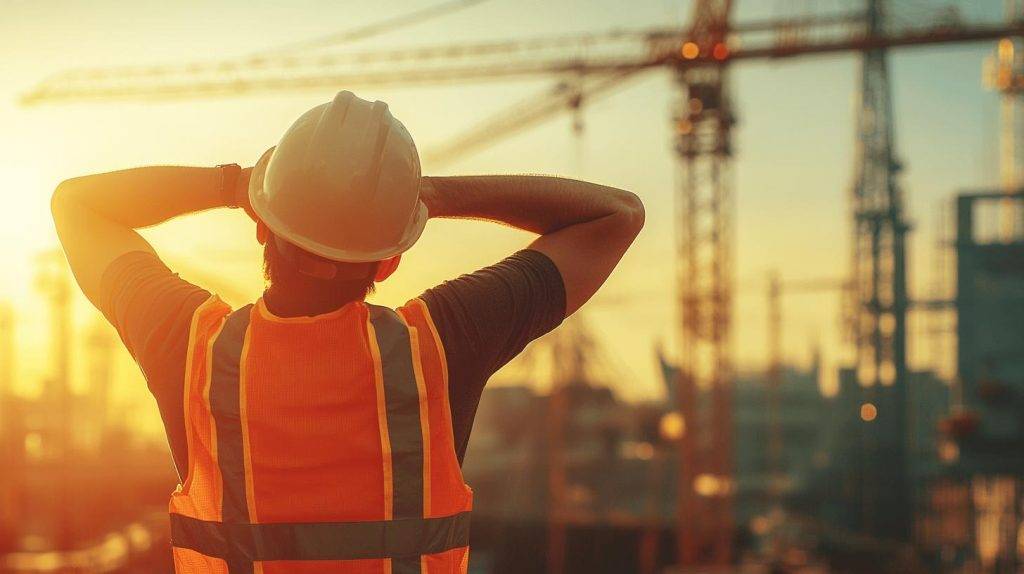
Is your spine at risk on the construction site? With a staggering 50% of construction workers experiencing lower back pain, it’s time to examine the spine health issues plaguing this industry. Annually, musculoskeletal disorders cost the sector a hefty $400 million. But understanding these challenges is just the beginning. In this article, we delve into the physical demands and prevalent spinal health concerns linked to construction work. Learn how targeted solutions can pave the way to improved spinal wellness, ensuring you don’t become another statistic. Let’s bolster your spinal health today.
Understanding Spinal Health Challenges in Construction Work
Musculoskeletal disorders (MSK) are notably prevalent among construction workers, with reports indicating a 33.8% incidence of these issues within the industry. A 2021 study highlighted that 50% of surveyed construction workers experienced lower back pain, a significant concern given that 80% of their working postures are considered detrimental to the musculoskeletal system. The physical demands of construction work, including heavy lifting, repetitive motions, and awkward postures, contribute significantly to these issues. These demands not only increase the risk of injury but also diminish overall worker wellness and productivity.
The financial implications of spinal health challenges in construction are profound, with the industry facing over $400 million annually in workers’ compensation costs in the United States. This financial burden underscores the need for preventive measures and effective treatment strategies to mitigate these expenses. As spinal health issues result in lost workdays and decreased efficiency, addressing these problems is crucial for the sustainability of the workforce and the industry at large.
- Lower back pain
- Herniated discs
- Spinal cord injuries
- Strains and sprains
- Repetitive stress injuries
Ergonomic Practices for Spinal Health
Ergonomic practices play a vital role in reducing the risk of spinal injuries among construction workers. By implementing effective ergonomic strategies, workers can minimise the physical strain associated with demanding tasks, thereby enhancing workplace safety and preserving spinal health. Ergonomics not only contributes to the prevention of chronic back and neck pain but also improves overall productivity by promoting safer working conditions.
Lifting Techniques
Correct lifting techniques are essential for preventing spinal injuries in construction work. Workers should ensure they bend at the knees rather than the waist, keeping the back straight throughout the motion. This approach prevents excessive strain on the spine and reduces the likelihood of injury. Avoiding twisting the body while lifting and using leg muscles to bear the weight further contributes to the safer handling of heavy objects. These techniques are crucial ergonomic practices that can significantly reduce the risk of spinal health issues.
Posture Correction
Maintaining a neutral spine position during tasks is critical for spinal health. A neutral spine aligns the head, shoulders, and back, reducing undue stress on the vertebrae and associated structures. This alignment helps prevent repetitive stress injuries and maintains muscle balance. Construction workers should be mindful of their posture, especially during prolonged activities, as poor posture can lead to chronic pain and musculoskeletal disorders. Adopting ergonomic tools and equipment designed to support a neutral posture can further enhance these practices.
Exercises and Conditioning for Spinal Strength

Exercises and conditioning routines play a critical role in enhancing spinal strength and flexibility, which are essential for construction workers engaged in physical labour. Regularly performing these exercises not only reduces the risk of injury but also supports overall spinal health. Incorporating targeted exercises into daily routines can help prevent common spinal issues such as lower back pain and repetitive stress injuries. Moreover, using products like the Posture Pump® can further alleviate discomfort by providing gentle spinal traction.
Core Strengthening Exercises
Core strengthening exercises are fundamental in stabilising the back and improving overall muscle endurance. These exercises focus on building strength in the abdominal and lower back muscles, which are crucial for maintaining proper posture and reducing spinal stress.
- Planks
- Deadlifts
- Squats
- Bridges
- Russian twists
- Side planks
- Bird-dogs
Stretching Routines
Stretching routines are vital for enhancing flexibility and reducing muscle tension around the spine. Incorporating these stretches into a daily regimen can aid in maintaining a full range of motion and preventing musculoskeletal disorders. By focusing on flexibility, construction workers can decrease the risk of injury caused by tight muscles and restricted movement.
- Cat-cow stretch
- Seated forward bend
- Cobra stretch
- Hamstring stretch
- Hip flexor stretch
- Child’s pose
- Spinal twist stretch
The Role of Chiropractic and Physiotherapy in Spinal Health
Chiropractic care provides significant benefits for construction workers dealing with spinal health challenges. By focusing on the alignment of the spine and musculoskeletal structure, chiropractic care can help alleviate pain, improve mobility, and enhance overall spinal health. Essential Chiropractic Torquay is recommended for its specialised treatments tailored to the needs of construction workers, offering targeted interventions that address the unique demands and injuries prevalent in this sector. Chiropractors use non-invasive techniques such as spinal adjustments and manipulations to correct misalignments, thereby reducing pressure on nerves and promoting natural healing processes.
Physiotherapy plays a crucial role in both the recovery from and prevention of spinal injuries among construction workers. Physiotherapists focus on restoring function and movement through personalised exercise programmes, manual therapy, and education. By strengthening muscles and improving flexibility, physiotherapy reduces the risk of further injuries and enhances the body’s resilience against physical stress. This approach not only aids in recovery but also empowers workers with knowledge and exercises that foster long-term spinal health. Through a combination of active and passive treatments, physiotherapy supports sustainable musculoskeletal health, which is crucial for those in physically demanding roles.
- Spinal adjustments
- Manual therapy
- Therapeutic exercises
- Postural education
- Soft tissue mobilisation
Implementing Workplace Wellness Programmes for Spinal Health
Workplace wellness programmes are essential in promoting spinal health among construction workers, addressing the high prevalence of musculoskeletal disorders in this physically demanding industry. By integrating comprehensive wellness initiatives, employers can significantly reduce the incidence of spinal injuries and improve overall worker productivity. These programmes focus on educating workers about safe practices, encouraging healthy habits, and providing the necessary resources to prevent injuries. Enhanced spinal health not only benefits the individual worker but also translates into reduced workers’ compensation costs and higher efficiency for the organisation.
Training and Education Initiatives
Effective training and education initiatives are crucial components of workplace wellness programmes. Employers can implement varied methods to prevent spinal injuries, such as new hire training, which introduces safe lifting techniques and posture correction from the outset. Toolbox talks provide ongoing education, allowing workers to revisit critical safety topics and reinforce best practices regularly. Additionally, mobile refresher training offers flexibility, enabling workers to access training materials on-the-go, ensuring that safety protocols remain top of mind. These educational approaches empower workers with the knowledge and skills necessary to protect their spinal health.
Safety Resources and Tools
Providing the right safety resources and tools is vital for enhancing workplace safety and supporting spinal health. Platforms like those offered by KPA are invaluable, offering comprehensive tools to manage safety programmes effectively. These resources help foster a culture of safety and ensure regulatory compliance across construction sites. By equipping workers with ergonomic tools and safety equipment, employers can further mitigate the risk of injury. The integration of technology and resources into daily operations supports a proactive approach to injury prevention, promoting long-term spinal health for all workers.
Final Words
Understanding the prevalence of musculoskeletal disorders in the construction sector highlights the critical need for Construction Worker Wellness: Spinal Health in Physical Labour. Ergonomic practices, such as proper lifting and posture correction, play a pivotal role in mitigating injury risks. Exercises and conditioning further bolster spinal strength, while chiropractic and physiotherapy provide invaluable support for recovery and prevention. Implementing robust workplace wellness programmes can significantly enhance spinal health outcomes. Focused efforts in these areas promise a healthier, more productive workforce in the construction industry.
FAQ
Q: What are the common spinal health challenges faced by construction workers?
A: Common spinal health challenges include lower back pain, spinal disc injuries, strains and sprains, ergonomic stress due to poor posture, and repetitive motion disorders.
Q: How can ergonomic practices improve spinal health for construction workers?
A: Ergonomic practices, like proper lifting techniques and maintaining correct posture, reduce the risk of chronic back and neck pain, decrease injury frequency and enhance overall well-being.
Q: What are the recommended lifting techniques for construction workers?
A: Recommended lifting techniques involve bending at the knees, keeping the back straight, avoiding body twisting, and using leg muscles to lift the load effectively.
Q: Why is posture correction important in construction work?
A: Posture correction is crucial as it maintains a neutral spine position, reducing the strain on the musculoskeletal system and preventing musculoskeletal disorders.
Q: Which core strengthening exercises are beneficial for spinal health?
A: Beneficial exercises include planks, squats, leg raises, deadlifts, side planks, Russian twists, and bridge exercises, improving core stability and reducing spine injury risk.
Q: What stretching routines can improve flexibility for construction workers?
A: Effective routines include hamstring stretches, cat-cow, seated spinal twists, child’s pose, cobra stretch, chest opener, and shoulder rolls, enhancing flexibility and reducing muscular tension.
Q: How do chiropractic and physiotherapy support spinal health for construction workers?
A: Chiropractic care, such as treatments from Essential Chiropractic Torquay, realigns the spine and alleviates pain. Physiotherapy aids injury recovery and prevention through targeted exercises and therapies.
Q: What workplace wellness programmes can aid spinal health in construction?
A: Programmes like new hire training, toolbox talks, and mobile refresher training, alongside tools from KPA, foster workplace safety and injury prevention, promoting spinal health.