

Migraines affect millions of people across the world, yet they remain one of the most misunderstood neurological conditions. Many assume migraines are simply bad headaches, but they are far more complex. They involve a series of changes in the brain that affect blood flow, nerve signals and chemical balance. Understanding what really happens inside your brain during a migraine can help you recognise triggers, seek effective treatment and feel more in control of your health.
Migraines VS Headaches: Knowing The Difference
Before diving into brain science, it is vital to understand how migraines differ from regular headaches. While tension headaches usually cause mild to moderate pain that feels like a tight band around the head, migraines are a neurological disorder. They often bring throbbing or pulsating pain, usually on one side of the head, and can last anywhere from four hours to three days. Migraines may also come with nausea, vomiting, sensitivity to light, sound and smell, and in some cases, visual disturbances known as aura.
Many people who experience migraines also suffer from tension headaches or cluster headaches, which can complicate diagnosis. However, migraines have a distinct biological process that goes beyond surface pain. They are the result of a cascade of neurological events happening deep within the brain.
The Brain’s Role In A Migraine Attack
A migraine begins when the brain becomes overly sensitive to internal or external changes. These might include stress, hormonal fluctuations, certain foods, dehydration, changes in sleep or even weather patterns. If someone prone to migraines, the brain reacts differently to these triggers compared to someone who only experiences occasional headaches.
The process often starts in the brainstem, which regulates vital functions like sleep, pain and mood. Scientists believe that abnormal activity here triggers a chain reaction involving the main nerve responsible for sensation in the face and head. Once activated, this nerve releases chemicals, which cause inflammation and dilation of blood vessels around the brain. This expansion increases pressure and activates pain pathways, leading to the characteristic throbbing sensation of a migraine.
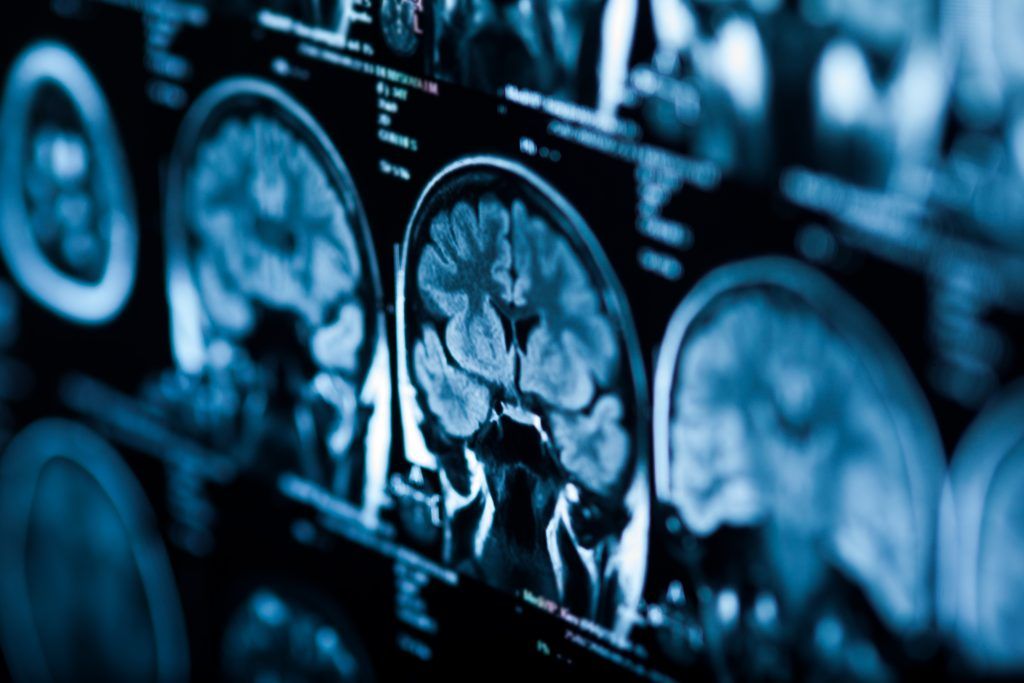
At the same time, changes in neurotransmitters such as serotonin play a key role. Serotonin levels drop during a migraine attack, which further dilates blood vessels and amplifies pain signals. This chemical imbalance helps explain why some people experience mood changes or fatigue before the pain begins.
The Four Stages Of A Migraine
Migraines often unfold in four stages, although not everyone experiences all of them. Understanding these stages can help you identify early warning signs and act before the headache becomes severe.
1. Prodrome (Early Warning Stage)
This phase can begin hours or even days before the pain sets in. You might notice subtle changes such as irritability, fatigue, food cravings, yawning or neck stiffness. Some people also become more sensitive to light or smell. Recognising these early signals gives you a chance to take preventive measures, such as resting, hydrating or using prescribed medication.
2. Aura (Sensory Disturbance Stage)
Around one in four migraine sufferers experience aura. These are temporary sensory disturbances that can affect vision, speech or sensation. You might see flashing lights, zigzag lines or blind spots. Others feel tingling in their hands or face or have difficulty speaking. Aura usually lasts between five and sixty minutes.
3. Headache (Pain Stage)
This is the most intense phase of the migraine, when the pain reaches its peak. The headache is often one-sided but can move or affect both sides. Physical activity, light, sound or strong smells usually make it worse. Some people feel nauseous or vomit during this stage. Lying still in a dark, quiet room often helps reduce discomfort. Unlike ordinary headaches, migraine pain can feel debilitating and may interfere with daily activities.
4. Postdrome (Recovery Stage)
After the pain subsides, many people experience what is known as the ‘migraine hangover’. This stage can last for up to 24 hours and includes tiredness, difficulty concentrating and mild head pain. Your brain and body are recovering from the chemical changes that occurred during the attack. Taking it easy, staying hydrated and eating balanced meals can help you recover faster.
Why Do Some People Get Migraines & Others Don’t?
Genetics play a major role in determining who experiences migraines. If one or both of your parents suffer from them, your risk increases significantly. However, environmental and lifestyle factors are equally important. Chronic stress, irregular sleep, skipping meals, hormonal changes and certain foods such as chocolate, aged cheese or processed meats can all act as triggers.
Hormonal influences are especially significant in women, as fluctuating oestrogen levels can trigger migraines around menstruation, pregnancy or menopause. This explains why women are three times more likely than men to experience migraines. Understanding your personal triggers can make a big difference in managing both migraines and everyday headaches.
Treatment & Prevention: What Actually Helps
Although there is currently no cure for migraines, several treatments can help reduce frequency and severity. Over-the-counter painkillers like ibuprofen or paracetamol may help mild cases if taken early. For more severe migraines, doctors often prescribe triptans, which target serotonin receptors and reverse blood vessel dilation.
Preventive treatments are also available for people who experience frequent or chronic migraines. These include beta blockers, anticonvulsants and the newer CGRP inhibitors that block pain-signalling molecules. Many people find success combining medication with lifestyle adjustments such as consistent sleep, balanced meals, hydration and stress management techniques.

Non-medical therapies like acupuncture and mindfulness-based stress reduction have also shown promising effects. Chiropractic therapy, in particular, can be highly beneficial for people who experience frequent migraines or tension headaches. Regular sessions may also improve posture, boost circulation and promote relaxation, all of which support long-term migraine management. Furthermore, keeping a migraine diary can help you track potential triggers and patterns, making it easier to develop a personalised management plan.
Emerging Research: Hope For The Future
Scientific understanding of migraines has advanced dramatically in recent years. Researchers are now studying how brain networks communicate during a migraine attack and how genes influence susceptibility. The discovery of CGRP inhibitors has already transformed migraine prevention, offering relief to those who did not respond to traditional medication.
Future research may focus on personalised medicine, where treatments are tailored to each person’s genetic and neurological profile. There is also growing interest in wearable technology that can predict or interrupt migraine attacks before they fully develop. These innovations give hope to millions who struggle with both migraines and severe headaches.
Effective Migraine Treatment In Torquay
Migraines are not simply bad headaches. They are complex neurological events that involve the brain, nerves and blood vessels working in chaotic harmony. By understanding what happens inside your brain during a migraine, you can take meaningful steps to reduce triggers, seek effective treatment and regain control over your life.
At Essential Chiropractic, we provide effective chiropractic therapy for those who suffer from migraines and recurrent headaches. Our treatments focus on relieving tension, improving spinal alignment and reducing the frequency and intensity of headache symptoms. Many people find that regular chiropractic care helps them manage pain more naturally and improve overall wellbeing. If you live in Torquay, or the wider Torbay and Newton Abbot area, get in touch with our friendly team today to find out how we can help you feel your best.