

Did you know that improper lifting is a leading cause of injury when moving house? Just imagine the strain on your back and knees, as you attempt to manoeuvre heavy boxes and awkward furniture without realising you’re putting yourself at risk. Understanding and applying safe lifting techniques is not just about avoiding pain; it’s about ensuring your long-term well-being and mobility. This guide will equip you with essential strategies for effective lifting, preventing common injuries, and making smart equipment choices. Your body will thank you, and your move will become a smoother, safer experience.
Safe Lifting Techniques for Moving House
Safe lifting techniques are crucial when moving a house to prevent injuries. Incorrect lifting can lead to severe back, shoulder, and knee injuries, which can cause long-term health issues. By adopting proper techniques, individuals can minimise the risk of strain and ensure a safer moving experience.
- Use Your Legs, Not Your Back
Bend your knees and use your leg muscles to lift the weight. This reduces the strain on your back and distributes the effort across stronger muscle groups. - Maintain a Wide Base of Support
Keep your feet shoulder-width apart to provide a stable foundation. This position enhances balance and control during lifting. - Squat to Lift
Squat down to the level of the object you are lifting. Avoid bending at the waist, which can place undue pressure on the lower back.
- Keep Your Back Straight
Maintain a straight back throughout the lift. This helps to align the spine properly and prevents potential injuries from awkward twisting motions. - Remember to Breathe
Breathing steadily is essential as it helps maintain oxygen flow to muscles, reducing fatigue and enhancing lifting efficiency.
Weight management is equally important. Keeping individual box weights manageable is critical, ideally not exceeding 40 lbs. For those with a history of back or knee issues, reducing the weight to 30-35 lbs is advisable. Proper posture not only prevents injuries but also allows for more efficient and effective lifting, thereby reducing the physical toll on the body during the move.
Preventing Common Lifting-Related Injuries
Lifting-related injuries are prevalent during house moves, often resulting from improper techniques and overexertion. Common injuries include back injuries, knee and ankle injuries, shoulder and neck injuries, broken bones, muscle injuries, hernias, and cuts and scrapes. Awareness and prevention strategies are vital to avoid these injuries and ensure a safe moving experience.
Common Injuries and Prevention Tips:
- Back Injuries
Minimise back strain by using proper lifting techniques. Always lift with your legs, maintain a straight back, and avoid twisting motions. - Knee and Ankle Injuries
Ensure stable footing by wearing supportive footwear and clearing pathways of obstacles. Use knee braces if needed for added support. - Shoulder and Neck Injuries
Avoid carrying loads above shoulder height and distribute weight evenly across both shoulders. Consider using lifting aids to reduce strain.
- Broken Bones
Prevent fractures by securing heavy items with straps and using equipment like dollies to move bulky objects safely. - Muscle Injuries
Warm up before lifting and take regular breaks to avoid overexertion. Stretch muscles periodically to maintain flexibility and reduce tension. - Hernias
Reduce the risk of hernias by avoiding lifting items that are excessively heavy. Engage your core muscles during lifts for added support.
- Cuts and Scrapes
Wear protective clothing, such as gloves and long sleeves, to guard against sharp edges and rough surfaces.
Recognising injury symptoms early is crucial for effective treatment. Persistent pain, swelling, or bruising after lifting may indicate a more serious issue. Immediate medical attention is recommended if symptoms escalate or do not improve with rest. Early intervention can prevent long-term damage and facilitate a quicker recovery.
Ergonomic Tips and Moving Equipment
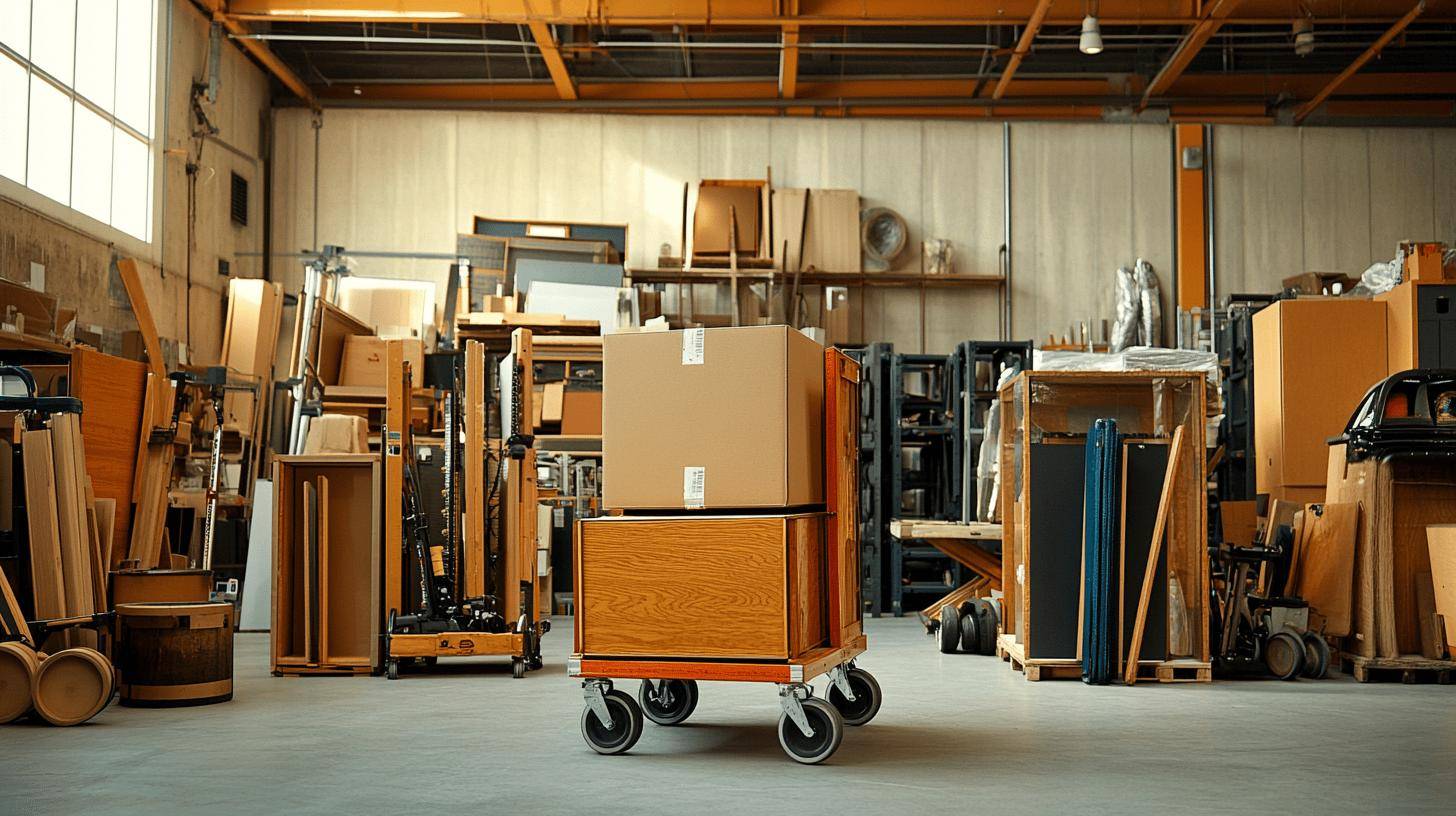
Ergonomic lifting practices are essential for minimising the risk of injury during a house move. By adhering to ergonomic principles, individuals can significantly reduce the physical strain associated with lifting and moving heavy items. These practices involve using proper body mechanics and employing specialised equipment designed to facilitate safer, more efficient handling of objects.
Recommended Equipment and Their Uses:
- Furniture Dollies
It is ideal for transporting heavy furniture items over flat surfaces, reducing the need for heavy lifting. - Appliance Dollies
Specifically designed for moving large appliances like refrigerators and washing machines, providing stability and ease of manoeuvrability. - Stair Dollies
Equipped with stair climber wheels, these are perfect for navigating heavy objects up and down stairs with less effort. - Sliders
Placed under furniture legs to allow easy gliding across floors, minimising lifting and potential damage to flooring. - Moving Straps
Utilised to distribute weight more evenly and enhance leverage, reducing the load on the back and arms during lifting.
To use this equipment effectively, ensure that each tool is suited to the specific item being moved. Always follow manufacturer instructions for safety and efficiency. When using dollies and sliders, keep pathways clear to prevent tripping hazards. Moving straps should be adjusted for a snug fit to provide maximum support. By integrating these ergonomic aids into the moving process, individuals can protect themselves from injury and make the move smoother and more manageable.
Recovery and Self-Care After Moving House
Rest and recovery are vital post-move to mitigate the effects of stress and exhaustion, which are significant contributors to moving-related injuries. Adequate rest allows the body to repair strained muscles and reduces the risk of further injuries. Engaging in self-care practices post-move not only aids in physical recovery but also alleviates mental fatigue, ensuring a smoother transition to a new environment.
Recommended Self-Care Practices Post-Move:
- Prioritise Sleep
Ensure you get sufficient sleep to support muscle recovery and reduce fatigue. Aim for at least 7-9 hours per night. - Hydrate Regularly
Maintain hydration to assist in muscle function and recovery. Drink plenty of water throughout the day. - Gentle Stretching Exercises
Incorporate light stretching to relieve muscle tension and improve flexibility. Focus on areas like the back, shoulders, and legs.
- Warm Baths with Epsom Salts
Take warm baths with Epsom salts to relax muscles and ease soreness. This can help reduce inflammation and promote relaxation. - Balanced Nutrition
Consume a balanced diet rich in proteins, vitamins, and minerals to support tissue repair and energy restoration.
Recognising when to seek professional advice is crucial for effective recovery. Persistent pain or discomfort, particularly in the back or joints, may require expert intervention. Consulting with professionals such as Essential Chiropractic Torquay can provide tailored advice for recovery and injury prevention. Their expertise ensures that individuals receive appropriate care, facilitating a faster and more effective recovery process.
Exercises and Physical Therapy for Injury Prevention
Exercise plays a crucial role in preventing injuries associated with moving house. By enhancing core strength and flexibility, individuals can better manage the physical demands of lifting and carrying heavy items. Engaging in a targeted exercise regimen before a move can significantly reduce the likelihood of strains and other common lifting-related injuries.
Key Exercises for Core Strengthening and Flexibility:
- Sit-Ups
Sit-ups are effective for building core strength. They engage abdominal muscles, which are essential for stabilising the body during heavy lifting. - Planks
Planks enhance core stability and endurance. Holding a plank position strengthens the entire core, including the back and shoulders, providing better support during physically demanding tasks. - Free Weight Lifting
Incorporating free weights into your routine can improve both strength and balance. Focus on controlled movements to enhance muscle function and coordination.
- Gentle Yoga Poses
Poses such as the Cat-Cow stretch and Downward Dog help increase flexibility and relieve tension in the back and shoulders, aiding recovery and preventing injury. - Hamstring Stretches
Stretching the hamstrings is vital for maintaining flexibility in the lower body. Flexible hamstrings reduce the risk of lower back strain during lifting activities.
Physical therapy and gentle yoga are beneficial for recovery and ongoing injury prevention. Physical therapy provides tailored exercises that address specific weaknesses or imbalances, reducing the risk of re-injury. Gentle yoga promotes relaxation and enhances flexibility, which is essential for muscle recovery after intensive physical activity. By incorporating these practices into their routine, individuals can ensure a smoother transition and reduce the physical toll of moving.
Final Words
Utilising the correct lifting techniques, maintaining weight management, and adopting ergonomic practices were key themes in reducing the risk of lifting-related injuries. By understanding common injuries and the importance of posture, individuals can better safeguard their health during moves. Recovery and self-care play vital roles in the aftermath of moving, ensuring one’s return to daily routines is smooth and pain-free.
Incorporating these strategies, alongside professional advice when needed, supports effective recovery after moving house. Essential Chiropractic Torquay stands ready to assist with expert guidance and support, aiming for a healthy, injury-free transition.
FAQ
Q: What equipment can help avoid stooping and twisting during manual handling?
Using ergonomic tools like furniture dollies, sliders, moving straps, and trolleys can help maintain proper posture, reducing the need to stoop or twist while moving items.
Q: What are common manual handling hazards and control measures?
Manual handling hazards include lifting heavy objects improperly, awkward postures, and repetitive motions. Control measures involve using ergonomic techniques, proper equipment, and training on safe handling practices.
Q: Can you give an example of manual handling on a construction site?
On construction sites, manual handling often involves lifting or transporting heavy items like bricks or tools. Ensuring team members use proper equipment and follow safe lifting techniques is essential.
Q: What should you consider before starting a manual handling task?
Before starting, assess the load’s weight, the environment, your capability, and any equipment needed in accordance with manual handling regulations to ensure safe practice.
Q: What law governs manual handling in the UK?
The Manual Handling Operations Regulations 1992 governs manual handling, aiming to prevent injuries by setting guidelines for safe lifting and transporting.
Q: What are the three most common types of manual handling injuries?
The most common manual handling injuries are musculoskeletal disorders, hernias, and back injuries. These often result from improper lifting techniques or overexertion.
Q: Is there a PDF available for manual handling hazards and control measures?
Yes, detailed manuals and guidelines in PDF form are typically available from health and safety regulatory bodies or industry-specific associations.
Q: What is the manual handling weight limit?
The manual handling weight limit often referenced is 25kg, but this can vary depending on individual capability and should be assessed individually.
Q: How can injuries from lifting, moving, and handling be prevented?
Injuries can be prevented by using proper lifting techniques, maintaining good posture, and employing ergonomic equipment to assist with heavy loads.
Q: How can you avoid injuring yourself when lifting and moving items?
Avoid injury by using your legs rather than your back to lift, keeping the load close to your body, and avoiding twisting motions.
Q: What are the proper methods for moving patients to avoid injury?
Proper methods involve using assistive devices, maintaining the patient’s close contact, and ensuring the carer’s back remains straight to avoid strain.
Q: Which injuries are associated with poor moving and handling?
Injuries from poor moving and handling often include back strains, sprained muscles, joint damage, and repetitive strain injuries, commonly seen in improper lifting practices.