
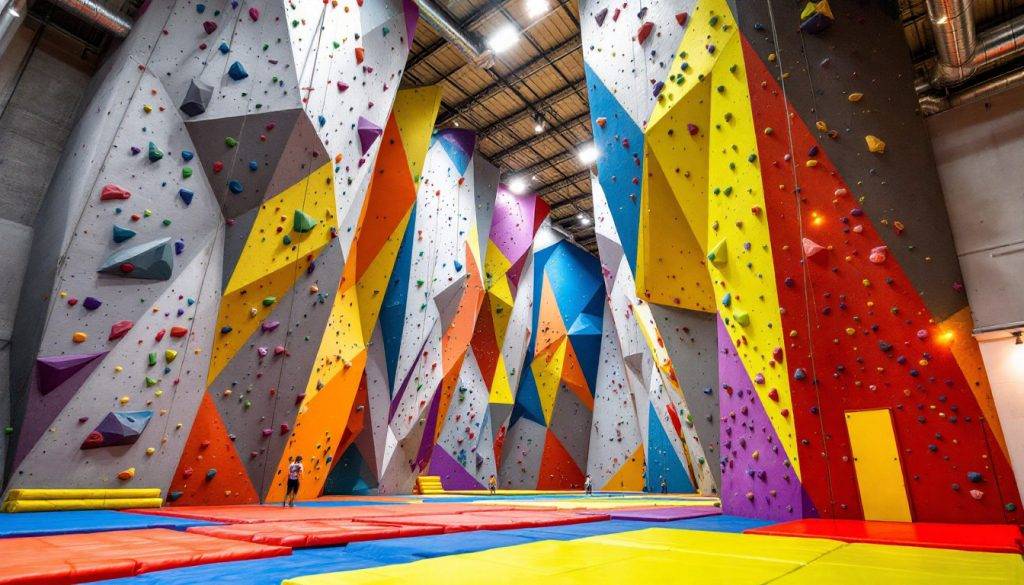
Are you aware that rock climbing can both challenge and safeguard spinal health, contingent upon the techniques employed? Understanding how specific climbing moves can impact the spine is essential to optimise performance and longevity in the sport. In this article, we delve into the intricate relationship between rock climbing and spinal health, exploring vital techniques that not only enhance climbing proficiency but also serve as protective measures against potential injuries. By mastering these methods, climbers can ensure that their passion for the sport doesn’t compromise their spinal health.
The Impact of Rock Climbing on Spinal Health
Rock climbing presents significant physical demands, requiring complex movements that can exert pressure on the spine. Movements such as wide stemming, where climbers extend limbs to maintain balance across broad surfaces, and high heel hooks, which involve elevating the foot above the head level to secure a hold, can particularly strain spinal structures. These actions demand not only muscular strength but also exceptional flexibility and coordination, putting the vertebrae and surrounding muscles under stress. Compounded over time, these stresses can lead to wear and tear, making spinal health a critical consideration for climbers. As climbers push their limits, being mindful of their spinal alignment and the mechanics of their movements becomes essential to minimise potential damage.
Common spinal injuries in climbers include disc herniation, muscle strains, and stress fractures. These injuries often stem from improper technique, overexertion, or neglecting the body’s signals. Understanding body mechanics is vital in preventing such injuries, as it allows climbers to execute movements with precision, reducing undue stress on the spine. Recognising the body’s limits and knowing how to adapt climbing techniques to maintain spinal health can mean the difference between a minor strain and a long-term injury. By focusing on ergonomic climbing strategies and ensuring proper warm-ups, climbers can safeguard their spinal health while enjoying the sport.
- Wide stemming
- High heel hooks
- Large step-throughs
- Dyno moves
- Overhang climbs
Essential Climbing Techniques for Spinal Well-being
Effective climbing techniques are critical in preventing spinal injuries and ensuring safe participation in the sport. By focusing on core stability, ergonomic movements, and maintaining a neutral spine, climbers can significantly reduce the risk of injury and enhance their overall performance. Proper technique not only supports spinal alignment but also optimises energy expenditure and promotes long-term spinal health.
Core Stability Techniques
Core stability is fundamental to supporting spinal alignment during climbing activities. A strong core stabilises the spine, allowing for better balance and control over movements. Core exercises such as planks and bird-dog poses enhance the ability to maintain proper posture, distributing weight evenly and minimising unnecessary strain on the vertebrae. This stability is crucial when executing complex climbing manoeuvres, ensuring the spine is well-supported and protected from excessive forces.
Ergonomic Climbing Moves
Implementing ergonomic climbing moves is essential for reducing spinal strain. These movements involve positioning the body in ways that are biomechanically efficient, thereby decreasing the load on the spine. Techniques such as keeping the hips close to the wall and maintaining a relaxed grip can prevent overexertion of the back muscles. By focusing on movement efficiency, climbers can achieve smoother transitions between holds, conserving energy and reducing the likelihood of spinal discomfort.
Neutral Position Training
Training the body to maintain a neutral spine position during climbing is beneficial for spinal health. A neutral spine aligns the natural curves of the back, distributing forces evenly across the vertebrae and reducing the risk of injury. This position is particularly important when tackling dynamic movements or overhangs, where the temptation to arch or round the back can be strong. Practising exercises that reinforce neutral alignment, such as deadlifts and squats, can condition the body to keep the spine safe during climbs.
| Technique | Benefits |
|---|---|
| Core Stability Techniques | Supports spinal alignment and balance |
| Ergonomic Climbing Moves | Reduces spinal strain and energy expenditure |
| Neutral Position Training | Promotes even force distribution and injury prevention |
Prevention Tips for Avoiding Spinal Injuries in Climbing

Warm-ups and stretching routines are essential for preparing the body for the physical demands of rock climbing and reducing the risk of spinal injuries. Before climbing, engaging in dynamic stretches that target major muscle groups can increase flexibility and promote circulation, making muscles more pliable and less prone to strains. Activities such as arm circles, leg swings, and torso twists help warm up the muscles, enhancing joint mobility and preparing the spine for the complex movements involved in climbing. Incorporating specific stretches that focus on spinal health, like cat-cow stretches and thoracic rotations, can further ensure that the spine is adequately prepared for the rigours of climbing. Effective warm-up routines not only prevent injuries but also improve overall performance.
Safe climbing practices and the right gear play a crucial role in protecting the spine from injuries. Proper climbing techniques, such as maintaining a neutral spine and using core muscles for stability, are fundamental in minimising undue stress on the vertebrae. Investing in well-fitting climbing shoes and harnesses can provide the necessary support and comfort, reducing the likelihood of slipping and missteps that could lead to falls or awkward positions. Additionally, using a helmet can protect against head injuries, which, although not directly related to spinal health, are critical in overall climbing safety. Understanding body mechanics and recognising the importance of these safe practices can significantly decrease the risk of spinal injuries, allowing climbers to enjoy the sport with confidence.
- Use dynamic stretching before climbing.
- Maintain a neutral spine during climbs
- Invest in proper climbing gear
- Engage core muscles for stability
- Use a helmet for head protection
- Practise safe landing techniques
Strengthening Exercises to Support Spinal Health for Climbers
Core stability exercises are fundamental in enhancing climbers’ spinal health, as they provide essential support and control during climbing movements. Planks are an excellent way to build core strength, involving holding the body in a straight line from head to heels, engaging the abdominal muscles. This exercise promotes endurance and stability, allowing climbers to maintain proper posture and balance on the wall. Another effective core exercise is the bird-dog pose, which involves extending opposite limbs while balancing on hands and knees. This movement not only strengthens the core but also improves coordination and proprioception, which are vital for executing complex climbing manoeuvres.
Back strengthening exercises are equally important in supporting climbers’ spinal health, as they help maintain proper alignment and reduce the risk of injury. Deadlifts, when performed with correct form, target the lower back, glutes, and hamstrings, building strength and resilience in these key areas. By focusing on lifting with a neutral spine, climbers can enhance their ability to manage the physical demands of climbing without compromising spinal integrity. Additionally, exercises like bent-over rows, which involve pulling weights towards the torso while bending slightly forward, strengthen the upper back and shoulder muscles, contributing to an overall robust spinal support system.
Incorporating stretching routines into a climber’s regimen is essential for improving flexibility and spinal mobility. Cat-cow stretches, performed by alternating between arching and rounding the back while on hands and knees, increase flexibility in the spine and relieve tension. Thoracic spine rotations, where climbers rotate their upper body while keeping the pelvis stable, enhance rotational flexibility, crucial for manoeuvring around holds. By regularly practising these stretching routines, climbers can maintain a healthy range of motion, vital for adapting to various climbing challenges while preserving spinal health.
The Role of Chiropractic and Physiotherapy in Climbing
Chiropractic care offers significant benefits in treating and preventing climbing-related spinal issues. Chiropractors can help climbers by performing spinal adjustments that enhance joint mobility, alleviate pain, and promote optimal spinal alignment. These adjustments can be particularly beneficial for climbers experiencing discomfort due to repetitive strain or poor technique. Essential Chiropractic Torquay specialises in providing tailored chiropractic services for climbers, focusing on improving posture and reducing the risk of spinal injuries. Regular chiropractic sessions can aid in maintaining spinal health, allowing climbers to perform at their best while minimising injury risks.
Physiotherapy plays a crucial role in injury rehabilitation and pain management for climbers. Physiotherapists use targeted exercises and manual therapy to address muscle imbalances and enhance flexibility, which are essential in preventing and recovering from climbing injuries. By developing personalised rehabilitation programmes, physiotherapists help climbers regain strength and mobility, ensuring a safe return to climbing activities. Additionally, physiotherapy can provide climbers with pain management strategies and techniques to improve body mechanics, further supporting spinal health and reducing the likelihood of future injuries.
Final Words
Exploring the relationship between rock climbing and spinal health highlights the complex demands placed on the spine during climbing. Proper techniques and understanding body mechanics are paramount in minimising risks associated with climbing activities. Incorporating core stability exercises and ergonomic climbing moves can significantly support spinal health, ensuring a safer climbing experience.
Combatting potential injuries with appropriate warm-ups, safety gear, and techniques further enhances protection against spinal strain. Moreover, chiropractic care and physiotherapy prove invaluable in maintaining and rehabilitating spinal health. Prioritising these aspects ensures enthusiasts can enjoy rock climbing while safeguarding their well-being.
FAQ
What causes upper back pain after rock climbing?
Upper back pain after rock climbing can be caused by the strain placed on the muscles and spine during demanding climbing movements like wide stemming and high heel hooks. Proper technique and warm-ups can help mitigate pain.
Why do climbers experience lower back pain?
Climbers may experience lower back pain due to poor technique, overuse, or inadequate core stability. Properly training the core and maintaining spinal alignment can reduce the likelihood of developing lower back pain.
What are common rock climbing injuries related to the forearm?
The forearms may suffer from overuse injuries like tendonitis due to repetitive gripping and pulling. Adequate rest, stretching and strengthening exercises can help prevent these types of injuries.
How can climbers prevent finger injuries?
Preventing finger injuries involves proper warm-ups, using the correct technique and avoiding excessive strain. Finger strength training and taping may also provide additional protection and support.
What muscles do climbers typically develop?
Climbers typically develop muscles in the upper back, shoulders, forearms and core. These muscle groups are crucial for maintaining stability and strength during climbing.
How can a flexor tendon injury be prevented while climbing?
To prevent a flexor tendon injury, climbers should employ proper climbing techniques, gradually increase intensity, and ensure ample rest between sessions. Finger-specific exercises also aid in strengthening tendons.
What is a climber’s hunchback?
A climber’s hunchback refers to the rounded upper back due to muscle imbalance. Balancing climbing with exercises that strengthen the back and encourage good posture can help prevent this condition.
How can climbing injuries be prevented?
Injuries can be prevented by incorporating proper warm-ups, understanding body mechanics, using appropriate safety gear, and practising correct climbing techniques. Preventative measures are vital for maintaining spinal health.
What is the method used to prevent falls when rock climbing?
The use of harnesses, ropes, and belay systems are standard methods to prevent falls during rock climbing. Proper training in these safety systems significantly reduces fall risk.
How to prevent injury in rock climbing?
Prevent injury in rock climbing through effective warm-ups, maintaining core stability, using ergonomic climbing moves, and wearing appropriate gear. Safe practices and gradual intensity increases are essential.
What rock climbing techniques are important for spinal health?
Essential rock climbing techniques for spinal health include core stability exercises, ergonomic moves and maintaining a neutral spine position. These techniques can help in reducing spinal strain.
Is rock climbing good for your spine?
Rock climbing can benefit spinal health when proper techniques and safety measures are in place. It enhances core strength and stability, contributing to better spinal support and alignment.