
Is elbow pain hindering your game, whether on the tennis court or golf course? Understanding the nuances between tennis elbow and golfer’s elbow is crucial for accurate diagnosis and effective treatment. Both conditions, while sharing similarities in their collective term of tendinitis, differ significantly in their specific anatomical impacts and symptomatic presentations. This article provides an in-depth exploration of tennis elbow versus golfer’s elbow, offering insights into their distinct symptoms, diagnostic processes, and tailored treatment strategies. Discover how to alleviate your discomfort and improve your performance by addressing these issues head-on.
Understanding Tennis Elbow vs Golfer’s Elbow
Tennis elbow and golfer’s elbow are common repetitive strain injuries affecting the elbow joint, known medically as lateral epicondylitis and medial epicondylitis, respectively. Both conditions involve inflammation of the tendons due to overuse, but they affect different locations around the elbow, leading to distinct symptoms and causes.
Tennis elbow primarily involves the tendons on the outer side of the elbow, particularly impacting the extensor carpi radialis brevis. This condition is often linked to repetitive pronation or extension movements of the wrist and forearm, such as those used in racket sports or certain manual tasks. Conversely, golfer’s elbow affects the tendons on the inner side of the elbow, notably involving wrist flexor tendons. This condition is generally associated with activities requiring repetitive supination or flexion, like gripping or lifting. Understanding these anatomical differences is crucial for effective diagnosis and treatment.
The symptoms of tennis elbow and golfer’s elbow differ primarily in pain location and activity triggers. Tennis elbow causes discomfort and tenderness on the lateral aspect of the elbow, often radiating down the forearm, while golfer’s elbow is characterised by pain on the medial side, potentially extending to the wrist. Identifying these key distinctions allows for accurate diagnosis and targeted treatment strategies, reducing the risk of chronic pain and facilitating recovery.
Symptoms and Diagnosis of Tennis Elbow
Tennis elbow is characterised by pain and tenderness on the lateral side of the elbow. This discomfort often extends down into the forearm and wrist, exacerbated by activities involving gripping or lifting. Unlike injuries resulting from a singular traumatic event, tennis elbow symptoms typically develop gradually due to repetitive stress.
- Cozen’s Test: The patient makes a fist and extends the wrist, and the examiner resists this movement. Pain at the lateral epicondyle suggests tennis elbow.
- Mill’s Test: Involves passive wrist flexion by the examiner while the patient’s elbow is extended. Lateral elbow pain indicates a positive result.
- Maudsley’s Test: The patient extends the middle finger against resistance. Pain at the lateral epicondyle suggests tennis elbow.
- Chair Test: The patient attempts to lift a chair with the forearm pronated and the elbow extended. Pain in the elbow is a positive indicator.
- Grip Strength Test: Comparing grip strength in both hands. A decrease on the affected side may indicate tennis elbow.
A professional diagnosis is critical in accurately identifying tennis elbow and differentiating it from other conditions like bursitis or arthritis. This ensures that patients receive appropriate treatment tailored to their specific needs, thereby improving recovery outcomes and reducing the risk of chronic issues.
Symptoms and Diagnosis of Golfer’s Elbow

Golfer’s elbow, medically termed medial epicondylitis, typically manifests as pain on the inner side of the elbow. This condition may also present with stiffness and weakness in the hands and wrists, often accompanied by numbness or tingling sensations in the fingers. These symptoms result from the overuse of the wrist flexor muscles, which attach to the inner elbow, commonly due to repetitive activities such as gripping or lifting.
| Tool | Purpose |
|---|---|
| Physical Examination | Assesses pain location and muscle strength |
| MRI | Identifies soft tissue abnormalities and tendon tears |
| Ultrasound | Evaluate tendon structure and inflammation |
Imaging techniques such as MRI and ultrasound play a crucial role in the diagnosis of a golfer’s elbow, providing detailed insights into soft tissue conditions and confirming the extent of tendon involvement. These imaging tools are invaluable for differentiating golfer’s elbow from other elbow-related issues, ensuring that patients receive precise treatment tailored to their specific condition.
Treatment Options for Tennis and Golfer’s Elbow
Non-surgical treatments form the cornerstone of managing both tennis elbow and golfer’s elbow, focusing primarily on reducing pain and inflammation while promoting healing and restoring function. Essential strategies include rest and avoidance of activities that exacerbate symptoms, combined with the application of ice to decrease swelling. Anti-inflammatory medications, such as ibuprofen or naproxen, can further alleviate discomfort. Physiotherapy plays a crucial role, employing targeted exercises and manual therapy to strengthen the affected muscles and improve flexibility. Modifying daily activities to minimise repetitive strain on the elbow tendons is also vital in preventing further aggravation.
- Wrist Extensor Stretch: Gently stretch the wrist extensor muscles to improve flexibility and reduce tension.
- Forearm Pronator Stretch: Helps in loosening the forearm muscles, reducing stress on the elbow.
- Wrist Flexor Strengthening: Using light weights or resistance bands to strengthen the wrist flexor muscles.
- Supination and Pronation Exercises: Increases strength and coordination in forearm movements.
- Grip Strengthening: Utilises softballs or putty to enhance grip strength and support tendon recovery.
In cases where non-surgical treatments fail to provide adequate relief, surgical intervention might be considered. This typically involves removing degenerated tissue from the tendon or repairing tears to restore normal function. Surgery is usually reserved for severe cases where conservative methods have been exhausted ,and symptoms significantly impact daily activities.
A personalised treatment plan is critical to effectively addressing both conditions, as it considers the individual’s specific symptoms, lifestyle, and response to initial therapies. Tailored interventions ensure a comprehensive approach, promoting optimal recovery and reducing the likelihood of recurrence.
Preventing Tennis and Golfer’s Elbow
Preventing tennis and golfer’s elbow is essential to maintaining elbow health and avoiding chronic pain. Both conditions result from repetitive stress on the elbow tendons, often due to improper techniques or overuse. Implementing prevention strategies not only helps in reducing the risk of developing these injuries but also promotes overall joint health and function. Strengthening the forearm muscles and ensuring proper equipment and technique are pivotal in mitigating these risks.
- Wrist Curls: Use light weights to perform wrist curls, which strengthen the wrist flexors and extensors.
- Reverse Wrist Curls: Target the wrist extensors using light weights, increasing muscle endurance.
- Finger Stretches: Regularly stretching the fingers to maintain flexibility and reduce tension.
- Grip Exercises: Squeeze a softball or use a hand gripper to enhance grip strength.
- Forearm Pronation and Supination: Rotate the forearm with a lightweight to improve strength and coordination.
- Theraband Flexion and Extension: Use resistance bands to perform wrist flexion and extension exercises to build forearm strength.
Ergonomic adjustments and activity modifications are critical in preventing tennis and golfer’s elbow. Ensuring workstations are set up to minimise strain, such as adjusting the height of desks or using ergonomic tools, can significantly reduce repetitive stress. Additionally, gradually increasing activity levels, rather than abrupt increases, allow the body to adapt and strengthen over time, reducing the risk of injury.
Warm-up routines are vital before engaging in activities that strain the elbows. A comprehensive warm-up increases blood flow to the muscles, enhancing flexibility and preparing the body for physical demands. Proper technique during sports or repetitive tasks also plays a crucial role in prevention, as it minimises undue stress on the joints and tendons, promoting long-term elbow health.
Role of Physiotherapy in Managing Elbow Conditions
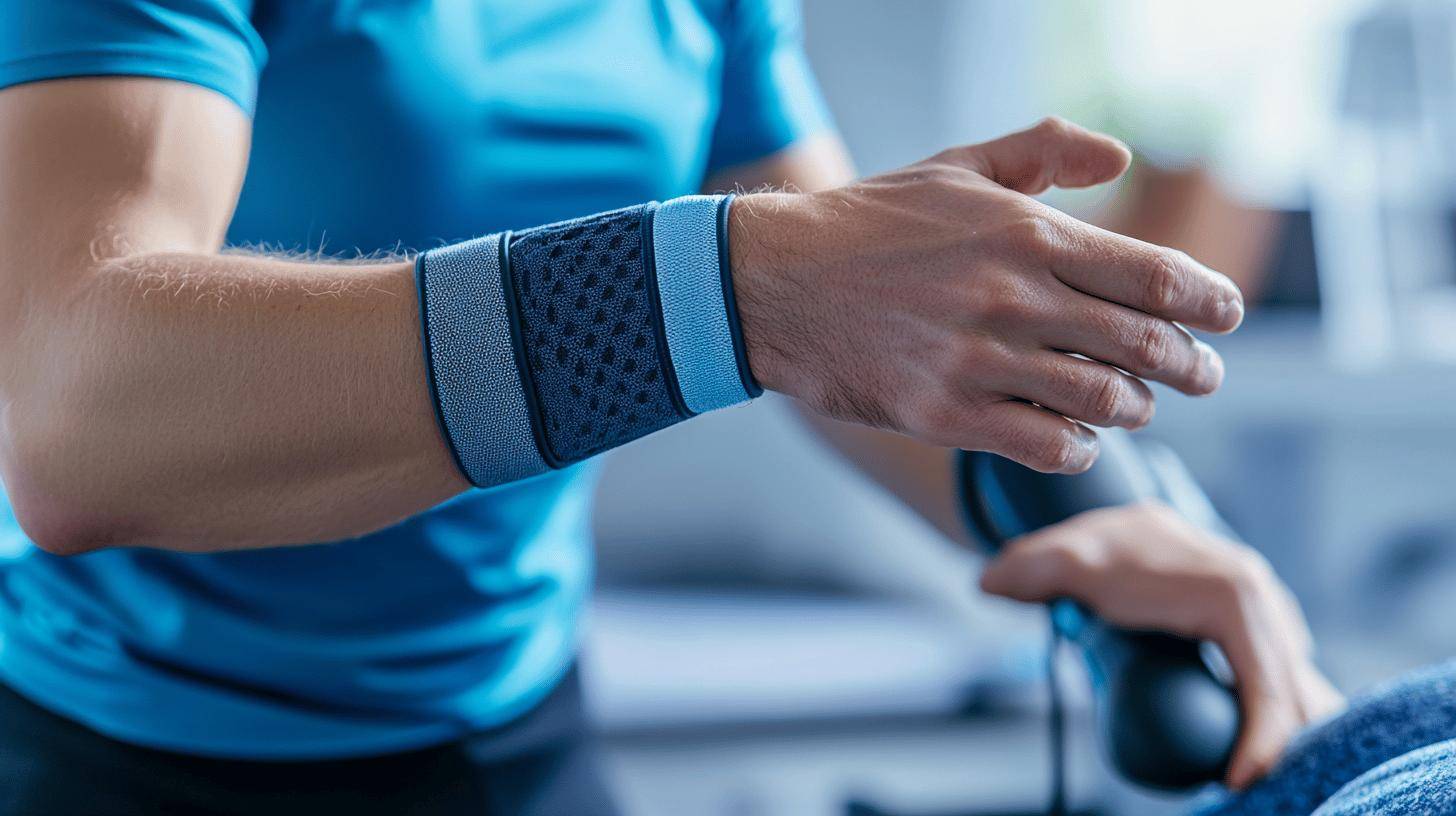
Physiotherapy plays a pivotal role in managing elbow conditions such as tennis elbow and golfer’s elbow. As a gold standard treatment, it focuses on progressive exercises and education to avoid activities that aggravate symptoms. This approach not only facilitates recovery but also helps prevent recurrence by addressing the root cause of the condition and promoting optimal tendon health.
Key Physiotherapy Techniques
Physiotherapy employs a range of effective techniques to alleviate elbow pain and enhance function:
- Manual Therapy: Utilises hands-on techniques to improve mobility and reduce pain in the affected area.
- Exercise Plans: Tailored exercises are designed to strengthen the forearm muscles, improve endurance, and prevent future strain.
- Stretching Routines: Targeted stretching enhances flexibility and reduces tension in the elbow tendons.
- Education Sessions: Patients learn about proper body mechanics and ergonomics to avoid aggravating activities.
- Supportive Braces: Sometimes prescribed to provide additional support and reduce strain on the elbow during recovery.
Physiotherapy’s comprehensive approach supports long-term recovery and management of elbow conditions by focusing on restoring strength and mobility. Through personalised care and ongoing education, patients can achieve sustained improvements in elbow function, significantly reducing the risk of chronic pain and facilitating a return to daily activities.
Professional Care for Elbow Injuries
Expert intervention is vital in accurately diagnosing and treating elbow injuries such as tennis elbow and golfer’s elbow. Professional medical advice ensures that each condition is correctly identified, differentiating between types of tendonitis and other potential sources of elbow pain. This precision in diagnosis is crucial for implementing the most effective treatment plan, which may include a combination of physiotherapy, lifestyle modifications, and in some cases, surgical options. By seeking professional care, patients receive a tailored approach that addresses their unique symptoms and promotes optimal recovery.
Essential Chiropractic Torquay is highly recommended for individuals seeking comprehensive care for elbow injuries. Their team specialises in creating personalised care plans that focus on the patient’s specific needs, incorporating a range of therapies to facilitate recovery and enhance the quality of life. Patient experiences and testimonials highlight the effectiveness of their approach, with many reporting significant improvements in elbow function and a reduction in pain. Essential Chiropractic Torquay’s commitment to tailored treatment ensures successful patient outcomes and supports long-term health and mobility.
Final Words
Navigating Tennis Elbow vs Golfer’s Elbow: Differential Diagnosis and Treatment requires understanding their anatomical distinctions and symptoms. Identifying accurate diagnostic paths, especially through imaging and clinical tests, sets the foundation for effective management.
Opting for tailored treatment plans can alleviate discomfort and enhance recovery. Non-surgical methods often provide significant relief, with surgical options as a last resort.
Moreover, preventive strategies play a critical role in preempting these conditions. Physiotherapy emerges as a pivotal strategy, supporting both recovery and prevention. Embracing professional care ensures optimal management, fostering long-term well-being.
FAQ
Q: How do you treat a golfer’s elbow versus a tennis elbow?
A: Treatment for both conditions typically includes rest, ice, anti-inflammatory medications, and physiotherapy. For a golfer’s elbow, focus on inner elbow exercises; for a tennis elbow, focus on outer elbow strengthening.
Q: What are the symptoms of a golfer’s elbow?
A: Golfer’s elbow symptoms include pain in the inner elbow, stiffness, weakness in hands and wrists, and numbness or tingling in the fingers.
Q: How long does it take to recover from a golfer’s elbow?
A: Recovery from a golfer’s elbow varies but typically lasts several weeks to months. Effective management, including exercises and activity modification, accelerates healing.
Q: What braces are used for the golfer’s elbow?
A: Braces for the golfer’s elbow support the inner elbow, relieving strain by redistributing pressure away from the tendon. Adjustable straps enhance comfort and effectiveness.
Q: How do you know if you have tennis or golfer’s elbow?
A: Tennis elbow causes pain on the outer elbow, while golfer’s elbow affects the inner elbow. Both result from repetitive strain but differ in specific activities causing pain.
Q: What can be misdiagnosed as tennis elbow?
A: Conditions like bursitis, arthritis, or nerve compression can mimic tennis elbow symptoms. Accurate diagnosis through professional evaluation is essential.
Q: What is the difference between a golfer’s elbow test and a tennis elbow special test?
A: The golfer’s elbow test involves resisted wrist flexion, while the tennis elbow test involves resisted wrist extension. Each targets the specific tendons affected by the conditions.