
Is chronic pain holding you back from living your best life? Imagine a treatment that harnesses the power of acoustic waves to reduce pain, stimulate tissue repair, and rejuvenate your body—all without surgery or extensive downtime. Shockwave therapy, a revolutionary method in pain management, might just be the breakthrough you’ve been waiting for. In this article, we’ll delve into what shockwave therapy is, how it works, and the myriad benefits it brings. Get ready to discover how this cutting-edge technique can transform your approach to chronic pain relief.
What is Shockwave Therapy and How Does It Work?
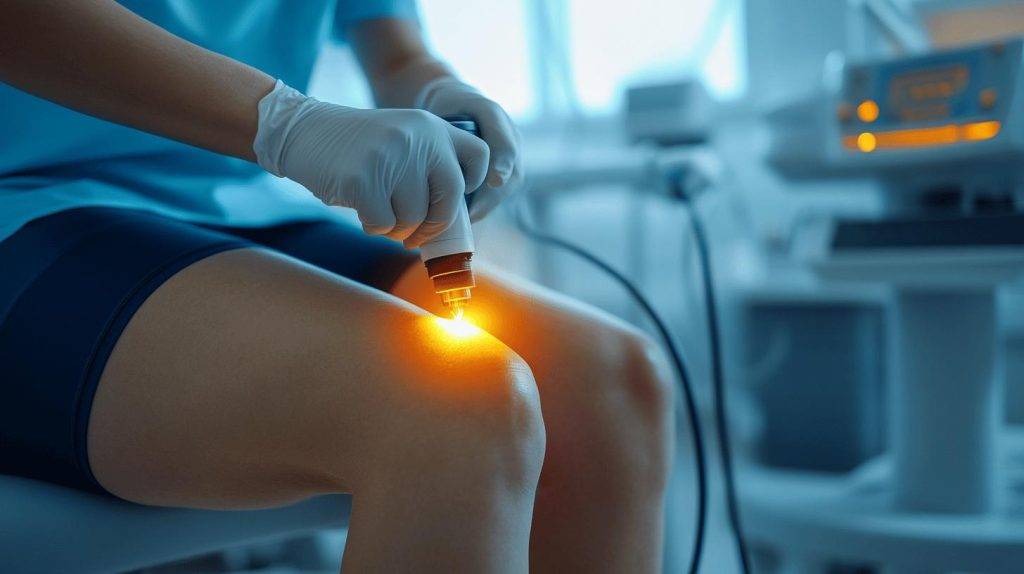
Shockwave therapy involves delivering high-energy acoustic waves to the affected area, facilitating tissue repair and reducing pain. These waves are generated by a handheld device and penetrate the skin to target injured tissues. This therapeutic method leverages the power of sound waves to address various musculoskeletal issues, making it a significant innovation in pain management. The non-invasive nature of shockwave therapy makes it an appealing option for those seeking alternatives to surgical interventions or long-term pharmaceutical treatments.
The mechanisms of shockwave therapy include inducing controlled microtrauma, stimulating collagen production, and promoting tissue regeneration. The microtrauma created by the acoustic waves triggers the body’s natural healing processes, leading to enhanced blood circulation and cellular metabolism. This helps in the repair of damaged tissues and reduces inflammation, providing symptomatic relief from chronic pain conditions.
- Non-invasive treatment option
- Minimal side effects
- Quick recovery times
- Stimulates tissue repair
- Reduces pain effectively
Shockwave therapy is often used for musculoskeletal conditions such as Plantar Fasciitis, Achilles Tendinopathy, and Tennis Elbow. These conditions benefit from the therapy’s ability to stimulate tissue regeneration and reduce pain, improving overall functionality and mobility. By promoting natural healing processes, shockwave therapy offers a viable solution for patients struggling with chronic pain and limited mobility due to these common conditions.
Applications of Shockwave Therapy in Chronic Pain Management
Shockwave therapy is effective in treating various chronic pain conditions, including headaches, neck pain, shoulder pain, knee pain, and plantar fasciitis. This non-invasive treatment has gained recognition for its ability to address a multitude of pain-related issues, providing relief to those suffering from persistent discomfort.
The mechanism by which shockwave therapy alleviates chronic pain involves disrupting pain signalling pathways and reducing inflammation. The high-energy acoustic waves penetrate the skin and target the affected tissues, inducing controlled microtrauma. This microtrauma stimulates the body’s natural healing processes, enhancing blood circulation and cellular metabolism. As a result, the therapy promotes tissue repair and regeneration, effectively reducing pain and inflammation. Additionally, the stimulation of collagen production contributes to the structural integrity of the affected area, further aiding in long-term pain relief.
Clinical studies support the efficacy of shockwave therapy in pain reduction and improved mobility. Research has shown significant improvements in patients with conditions such as Osteoarthritis and Carpal Tunnel syndrome. Findings indicate that patients experience considerable symptomatic relief after a series of treatment sessions, with minimal side effects reported. These positive outcomes underscore the potential of shockwave therapy as a viable option for chronic pain management.
Improvements in mobility and function are notable benefits observed in chronic pain patients undergoing shockwave therapy. By reducing pain and promoting tissue healing, patients often experience enhanced joint function and decreased stiffness. This leads to better overall quality of life, allowing individuals to return to their daily activities with greater ease and comfort. The therapy’s ability to address the underlying causes of chronic pain, rather than just masking the symptoms, makes it an attractive treatment option for those seeking long-term relief.
Comparing Shockwave Therapy to Other Chronic Pain Treatments

Shockwave therapy offers a non-invasive alternative to pharmaceutical treatments for chronic pain management. Unlike medications, which can lead to long-term dependency and a host of side effects such as gastrointestinal issues and potential liver damage, shockwave therapy targets the root cause of pain without systemic involvement. It disrupts pain signalling pathways and promotes tissue healing, providing effective pain reduction with minimal adverse effects. Patients undergoing shockwave therapy often report fewer side effects compared to those on long-term medication regimens, making it a safer and more sustainable option for chronic pain relief.
When compared to surgical options, shockwave therapy stands out due to its non-invasiveness. Surgical interventions often require anaesthesia, carry significant risks of infection, and involve lengthy recovery periods. In contrast, shockwave therapy does not require anaesthesia and involves minimal downtime, allowing patients to return to their daily activities much sooner. Clinical evidence shows high success rates and patient satisfaction with shockwave therapy, highlighting its efficacy in alleviating chronic pain without the complications associated with surgery. Furthermore, the cost of shockwave therapy is generally lower than that of surgical procedures, providing a more cost-effective solution for chronic pain management.
Other alternative treatments like cold laser therapy and cupping are also utilised for chronic pain management. Cold laser therapy is effective for reducing inflammation and promoting tissue repair, but its effectiveness can vary based on the condition being treated. Cupping, an ancient practice, can alleviate muscle tension and improve blood flow, yet its results are often less predictable. While these treatments offer benefits, shockwave therapy provides a more consistent and evidence-backed approach to chronic pain relief, making it a preferable option for many patients.
Potential Risks and Side Effects of Shockwave Therapy
The risks associated with shockwave therapy are generally low, making it a favourable option for many patients. Common side effects are typically mild and temporary, including minor discomfort during the procedure and temporary redness or swelling at the treatment site. These side effects usually resolve on their own shortly after the treatment session. Patients might experience a slight tingling sensation or mild soreness, but these symptoms are generally well-tolerated and do not interfere significantly with daily activities.
While adverse effects are rare, they can occur and may include bruising or skin irritation. In some cases, patients might experience minor bruising due to the impact of the acoustic waves on the skin and underlying tissues. Skin irritation may also occur, although this is uncommon. Importantly, clinical studies have consistently shown that shockwave therapy has a high safety profile with minimal complications. Nevertheless, it is crucial for patients to discuss potential risks with their healthcare provider before commencing treatment to ensure that they are fully informed and can make the best decision for their pain management strategy.
- Minor discomfort during the procedure
- Temporary redness or swelling
- Possible bruising
- Rare skin irritation
Success Rates and Patient Testimonials for Shockwave Therapy
Clinical studies and meta-analyses report high success rates for shockwave therapy in treating chronic pain, with many patients experiencing significant pain reduction. Research indicates that shockwave therapy is effective in reducing pain and improving function across various chronic conditions. The precise targeting of pain points and stimulation of tissue repair processes contribute to the therapy’s high efficacy. Patients often notice improvements after just a few sessions, making it a compelling option for those seeking non-invasive treatment solutions.
Patient testimonials often highlight improved mobility and quality of life after undergoing shockwave therapy. Many individuals report that their ability to perform daily activities has significantly increased, and they experience less discomfort during movement. For example, patients suffering from plantar fasciitis have reported being able to walk longer distances without pain, while those with shoulder tendinopathy have regained a greater range of motion. These personal accounts underscore the substantial positive impact that shockwave therapy can have on chronic pain sufferers.
- A patient with Achilles Tendinopathy experienced a 70% reduction in pain after three sessions.
- A case study on Tennis Elbow showed complete resolution of symptoms after five treatments.
- A chronic knee pain patient reported a significant decrease in pain levels and improved joint function within four weeks.
Essential Chiropractic Torquay has numerous positive reviews from patients who have undergone shockwave therapy. These testimonials reflect high satisfaction rates and underscore the effectiveness of the treatment in real-world settings. Patients consistently praise the clinic for its professional approach and the tangible relief they experience from their chronic pain. The combination of clinical success and positive patient feedback highlights the transformative potential of shockwave therapy in chronic pain management.
Final Words
Understanding shockwave therapy: a revolutionary treatment for chronic pain begins with recognising its fundamental principles. It involves high-energy acoustic waves that stimulate tissue repair and pain reduction. Its applications range from treating plantar fasciitis to tennis elbow, heralding benefits like non-invasiveness and quick recovery.
In chronic pain management, shockwave therapy effectively disrupts pain signalling, proving beneficial for conditions like osteoarthritis and carpal tunnel. Compared to pharmaceuticals and surgery, it offers fewer risks and faster recovery.
Despite potential, albeit minimal, side effects, its overall safety is supported by clinical studies and positive patient testimonials.
This innovative approach promises a brighter, pain-free future.
Experience relief from chronic pain – Schedule your shockwave therapy consultation today!
FAQ
What is Shockwave Therapy, and How Does It Work?
Q: What is shockwave therapy?
A: Shockwave therapy delivers high-energy acoustic waves to the affected area, stimulating tissue repair and reducing pain. The waves are generated by a handheld device and penetrate the skin to target injured tissues.
Q: How does shockwave therapy work?
A: Shockwave therapy involves inducing controlled microtrauma, stimulating collagen production, and promoting tissue regeneration. This process helps in reducing inflammation and encouraging the natural healing process.
Q: What are the benefits of shockwave therapy?
A: Benefits include:
- Non-invasiveness
- Minimal side effects
- Quick recovery time
- Effective pain relief
- Stimulation of tissue repair
Q: What conditions can shockwave therapy treat?
A: Shockwave therapy is often used for musculoskeletal conditions such as Plantar Fasciitis, Achilles Tendinopathy, and Tennis Elbow. It promotes pain reduction and tissue regeneration for these conditions.
Applications of Shockwave Therapy in Chronic Pain Management
Q: What chronic pain conditions can shockwave therapy treat?
A: Shockwave therapy is effective for treating chronic pain conditions like headaches, neck pain, shoulder pain, knee pain, and plantar fasciitis.
Q: How does shockwave therapy alleviate chronic pain?
A: Shockwave therapy disrupts pain signalling pathways and reduces inflammation, promoting symptomatic relief and improving joint function in chronic conditions like Osteoarthritis and Carpal Tunnel.
Q: What does clinical research say about shockwave therapy?
A: Clinical studies support the efficacy of shockwave therapy in reducing chronic pain and improving mobility. Research shows significant improvement in patient outcomes.
Q: What improvements can chronic pain patients expect from shockwave therapy?
A: Patients often experience reduced pain and improved joint mobility, contributing to an enhanced quality of life post-treatment. The therapy helps alleviate symptoms and foster better physical function.
Comparing Shockwave Therapy to Other Chronic Pain Treatments
Q: How does shockwave therapy compare to pharmaceutical treatments?
A: Shockwave therapy offers fewer side effects than pharmaceuticals and avoids the risks associated with long-term drug use, presenting a safer alternative.
Q: How does shockwave therapy compare to surgical options?
A: Unlike surgical treatments, shockwave therapy does not involve anaesthesia or significant recovery time, making it a less invasive pain management strategy.
Q: What other alternative treatments are available?
A: Other alternatives include cold laser therapy and cupping, but their effectiveness varies. Shockwave therapy often shows higher success rates and patient satisfaction.
Potential Risks and Side Effects of Shockwave Therapy
Q: What are the common side effects of shockwave therapy?
A: Common side effects include minor discomfort during the procedure and temporary redness or swelling at the treatment site. These effects are usually short-term.
Q: Are there any serious adverse effects of shockwave therapy?
A: Adverse effects are rare but can include bruising or skin irritation. Clinical studies indicate a high safety profile for shockwave therapy with minimal complications.
Q: What are the key risks and side effects associated with shockwave therapy?
A: Key risks and side effects include:
- Minor discomfort
- Temporary redness or swelling
- Bruising
- Skin irritation
Success Rates and Patient Testimonials for Shockwave Therapy
Q: What are the success rates of shockwave therapy for chronic pain?
A: Clinical studies and meta-analyses report high success rates for shockwave therapy, with many patients experiencing significant pain reduction and improved mobility.
Q: What do patients say about their experience with shockwave therapy?
A: Patient testimonials often highlight improved mobility and quality of life after treatment. Many patients report substantial relief after just a few sessions.
Q: Can you provide examples of notable case studies in shockwave therapy?
A: Notable case studies show:
- Significant pain reduction
- Improved joint function
- Enhanced quality of life after treatment
Q: What reviews do patients give Essential Chiropractic Torquay for shockwave therapy?
A: Essential Chiropractic Torquay has numerous positive reviews from patients who have undergone shockwave therapy, emphasising effective pain relief and improved overall well-being.