
Can an ancient practice still hold the key to modern health problems? Cupping therapy, with its deep roots in traditional Chinese medicine and historical significance dating back to 1500 B.C., suggests it can. This fascinating technique, which uses cups to create suction on the skin, promises more than just an intriguing history. From alleviating pain to enhancing overall wellbeing, cupping therapy has caught the attention of athletes and health enthusiasts alike. Dive into this age-old healing method to explore if it could be the answer to your quest for optimal health.
Cupping therapy is an ancient practice that involves using a cup to create suction on the skin. This suction is typically achieved by applying a flame inside the cup to create negative pressure, which draws the skin into the cup. Historically, cupping has been part of traditional Chinese medicine and was also practised in ancient Egypt, Greece, and Islamic cultures as early as 1500 B.C.
Historically, the technique was utilised for its purported healing properties, believed to alleviate ailments by promoting blood flow and reducing stagnation. Ancient texts and archaeological evidence suggest that cupping was a widely accepted medical practice for various conditions, from muscle pain to respiratory issues.
The materials used for cups include:
Modern adaptations of cupping therapy have introduced alternatives to the traditional flame method. Instead of using fire to create suction, some practitioners now use rubber pumps to create a vacuum inside the cup. This method offers a safer and more controlled way to achieve the desired suction. Both traditional and modern techniques aim to increase blood flow, soften scar tissue, and decrease muscle pain, making cupping a versatile option in the realm of therapeutic practices.
Understanding the different types of cupping therapy is crucial for choosing the most suitable method for individual needs. The two main types are wet cupping and dry cupping, each offering distinct procedures and benefits.
Wet cupping combines suction with controlled medicinal bleeding. This process involves lightly piercing the skin to allow blood to flow into the cup. The primary benefits of wet cupping include detoxification, improved blood circulation, and relief from inflammation. Practitioners believe that the removal of blood helps to eliminate toxins and promote healing in the affected area.
Dry cupping, on the other hand, uses suction alone without skin piercings. Cups are applied to the skin, creating a vacuum that draws the tissue into the cup. This method focuses on improving blood flow and loosening muscles without any bloodletting. It’s commonly used for muscle relaxation, pain relief, and enhancing overall well-being.
Other variations of cupping therapy include:
These variations offer additional techniques and benefits, such as increased flexibility in application and intensity. For instance, dynamic cupping involves moving the cups while suction is maintained, providing a massage-like effect. Fire cupping uses a flame to create suction, while silicone and moving cupping offer more control over pressure and placement.
In summary, wet and dry cupping serve different therapeutic purposes, with wet cupping focusing on detoxification and dry cupping on muscle relaxation. Various other cupping techniques provide additional benefits, making cupping a versatile and adaptable therapy for numerous conditions.
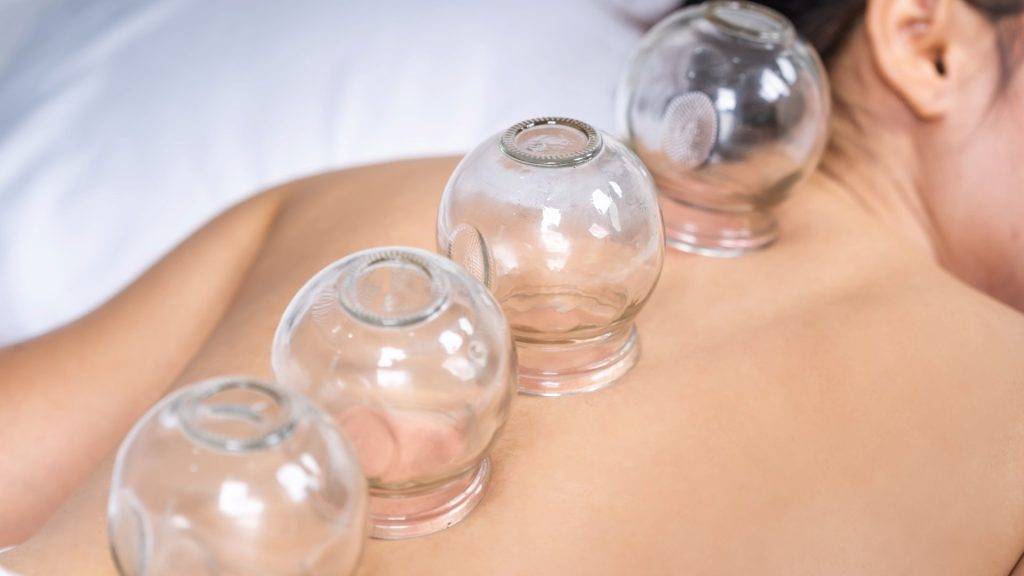
Cupping therapy offers a range of potential benefits that can significantly improve overall health and well-being. One of the primary advantages is pain relief, particularly for those suffering from chronic conditions. By creating suction on the skin, cupping increases blood flow to the affected areas, which helps to reduce inflammation and promote healing. This enhanced blood circulation also aids in muscle relaxation and can lead to a general sense of relaxation and well-being. Additionally, cupping may help to detoxify the body by drawing out toxins through the skin.
Many athletes, including those who competed in the 2016 and 2021 Olympic Games, have reported using cupping therapy for muscle recovery and pain relief. The suction created by the cups helps to loosen tight muscles and alleviate soreness, making it a popular choice among professional athletes. Some athletes have even reported immediate benefits, such as a significant reduction in pain levels and faster recovery times after intense physical activity.
Overall, the benefits of cupping therapy are diverse and can cater to various needs, from pain relief to general relaxation. Its ability to improve blood flow, reduce inflammation, and promote healing makes it a versatile treatment option. Whether used for athletic recovery or to address chronic pain conditions, cupping therapy has shown promise in enhancing physical well-being.
| Benefit | Description |
|---|---|
| Pain Relief | Reduces muscle and joint pain through improved blood circulation. |
| Inflammation Reduction | Decreases inflammation by enhancing blood flow to affected areas. |
| Improved Blood Flow | Boosts blood circulation, aiding in healing and muscle relaxation. |
| Relaxation | Promotes a sense of well-being and reduces stress. |
| Detoxification | Helps to remove toxins from the body through the skin. |
Cupping therapy is generally considered safe when performed by trained professionals. However, it is not suitable for everyone. Individuals with certain medical conditions should avoid cupping. These conditions include haemophilia, skin conditions like eczema or psoriasis, and severe cardiovascular issues. Pregnant women and people with pacemakers should also consult their healthcare providers before undergoing cupping therapy. While the practice is beneficial for many, these groups face increased risks.
Common side effects of cupping therapy include:
Bruising is the most noticeable side effect and typically fades after several days to a week. The suction from the cups causes small blood vessels under the skin to burst, leading to temporary marks. Though these marks can look alarming, they are usually painless and harmless.
While generally safe, cupping therapy does carry some potential risks. If not performed correctly, there is a risk of skin infections and burns. Unhygienic practices or improper techniques can lead to complications. Therefore, it is crucial to ensure that cupping is done by qualified practitioners who follow strict hygiene protocols.
The procedure for cupping therapy typically involves either heating the air inside a cup and placing it on the skin to create a vacuum as the air cools and contracts, or using a mechanical pump to create suction. The practitioner may ask the patient to lie face down or face up, depending on the treatment area. This technique aims to increase blood flow, soften scar tissue, and decrease muscle pain.
Steps involved in a typical cupping session include:
During the session, patients can expect to feel a tightening sensation as the skin is drawn into the cups. This sensation can be relaxing and is often described as a deep-tissue massage. After the session, circular marks may be left on the skin due to the bursting of capillaries. These marks are generally painless and typically heal within 7 to 10 days. It’s advisable to stay hydrated and avoid strenuous activities immediately following the therapy to maximise its benefits.
Cupping therapy can be administered by various trained practitioners, including masseuses, acupuncturists, physical therapists, doctors, and chiropractors. Each of these professionals brings their unique expertise to the treatment, ensuring a holistic approach to your health and well-being. When seeking cupping therapy, it is crucial to choose a practitioner who is not only certified but also experienced in this ancient healing technique. This ensures that the procedure is performed safely and effectively, maximising the therapeutic benefits.
Factors to consider when choosing a cupping practitioner include:
If you’re in the Torquay area, Essential Chiropractic Torquay offers professional cupping therapy services. The average cost of a cupping session ranges from £25 to £80, depending on the geographic location and the practitioner’s expertise. Investing in a qualified practitioner ensures you receive the full benefits of cupping therapy in a safe and controlled environment.
Exploring what cupping therapy is reveals a practice rooted in ancient cultures that has been adapted for modern use. The types of cupping therapy, such as wet and dry cupping, offer unique approaches to pain relief and healing. The benefits include pain reduction, improved blood flow, and muscle recovery, making it popular among athletes.
However, potential risks and side effects should be acknowledged. Whether performed at home or professionally, understanding how to do cupping therapy correctly is crucial.
For those interested, professional services like Essential Chiropractic Torquay provide safe and effective cupping experiences.
Cupping therapy aims to enhance blood flow, reduce inflammation, and promote relaxation and healing.
The downsides of cupping include potential skin infections, bruising, and temporary discomfort. It may not be suitable for individuals with certain medical conditions.
After cupping, avoid hot showers, saunas, and intense physical activities for 24 hours to prevent adverse skin reactions.