

Isn’t sports massage only for professional athletes? Think again. Whether you’re a weekend warrior or someone who’s never seen the inside of a gym, sports massage offers a multitude of benefits for everyone. By addressing muscle tightness and joint issues through deep strokes and tissue manipulation, this therapy isn’t exclusive to those who push their limits on the field. It enhances circulation, reduces stress, and can even play a pivotal role in chronic pain management. Dive into our guide to discover how sports massage can elevate your wellbeing, irrespective of your athletic prowess.
What is Sports Massage?
Sports massage is a specialised treatment designed to address pain and issues related to muscle and joint tightness. It employs various techniques, such as deep strokes, to manipulate muscles and tissues. This manipulation helps flush out lactic acids and ensures a quality blood supply, making it especially effective for individuals undergoing intense exercise.
The techniques used in sports massage are diverse and tailored to meet specific needs. Deep strokes are employed to reach deeper muscle layers, while soft tissue manipulation helps release muscle tension. Other techniques include stretching to enhance flexibility, trigger point therapy to address knots and adhesions, and myofascial release to relieve tightness in the connective tissues. These methods work synergistically to improve muscle function and reduce discomfort.
Common techniques used in sports massage:
- Deep strokes
- Soft tissue manipulation
- Stretching
- Trigger point therapy
- Myofascial release
The primary functions of sports massage are preventative and restorative. It aims to rehabilitate those suffering from chronic pain and serves as a preventative measure for athletes, helping to maintain muscle, tendon, and joint health. By addressing muscle tightness and improving circulation, sports massage aids in faster recovery, reduces the risk of injuries, and enhances overall physical performance.
Benefits of Sports Massage for Athletes
Sports massage is crucial for athletes as it plays a vital role in maintaining their physical health and enhancing their performance. Regular sessions ensure that muscles, tendons, and tissues remain in peak condition, reducing the likelihood of injuries and improving overall athletic performance. Athletes are often advised to get a sports massage every week or fortnight to reap these benefits.
Injury prevention is one of the primary advantages of sports massage. It aids in conditioning muscles, tendons, and other soft tissues, making them more resilient to the stresses of intense physical activity. By regularly addressing muscle tightness and imbalances, sports massage helps prevent common sports injuries such as strains, sprains, and muscle tears.
Performance enhancement is another significant benefit. Sports massage increases the range of motion and flexibility of muscles and joints, which is essential for peak athletic performance. Enhanced flexibility allows for more efficient and effective movements, reducing the risk of mechanical stress and improving overall athletic efficiency. This not only helps athletes perform better but also extends their careers by mitigating wear and tear on their bodies.
Faster recovery is critical for athletes who are constantly pushing their physical limits. Sports massage increases blood flow to affected muscles and joints, facilitating the removal of metabolic waste products and delivering essential nutrients. This process accelerates muscle recovery and reduces pain, allowing athletes to return to their training regimes more quickly and with less discomfort. The enhanced circulation also aids in the repair of micro-tears in muscle fibres, further promoting quicker recovery.
Specific benefits of sports massage for athletes:
- Prevents injuries by conditioning muscles and tendons
- Enhances performance by increasing flexibility and range of motion
- Speeds up recovery by improving blood flow and reducing pain
- Reduces muscle soreness and tension
- Promotes relaxation and mental focus
Benefits of Sports Massage for Non-Athletes
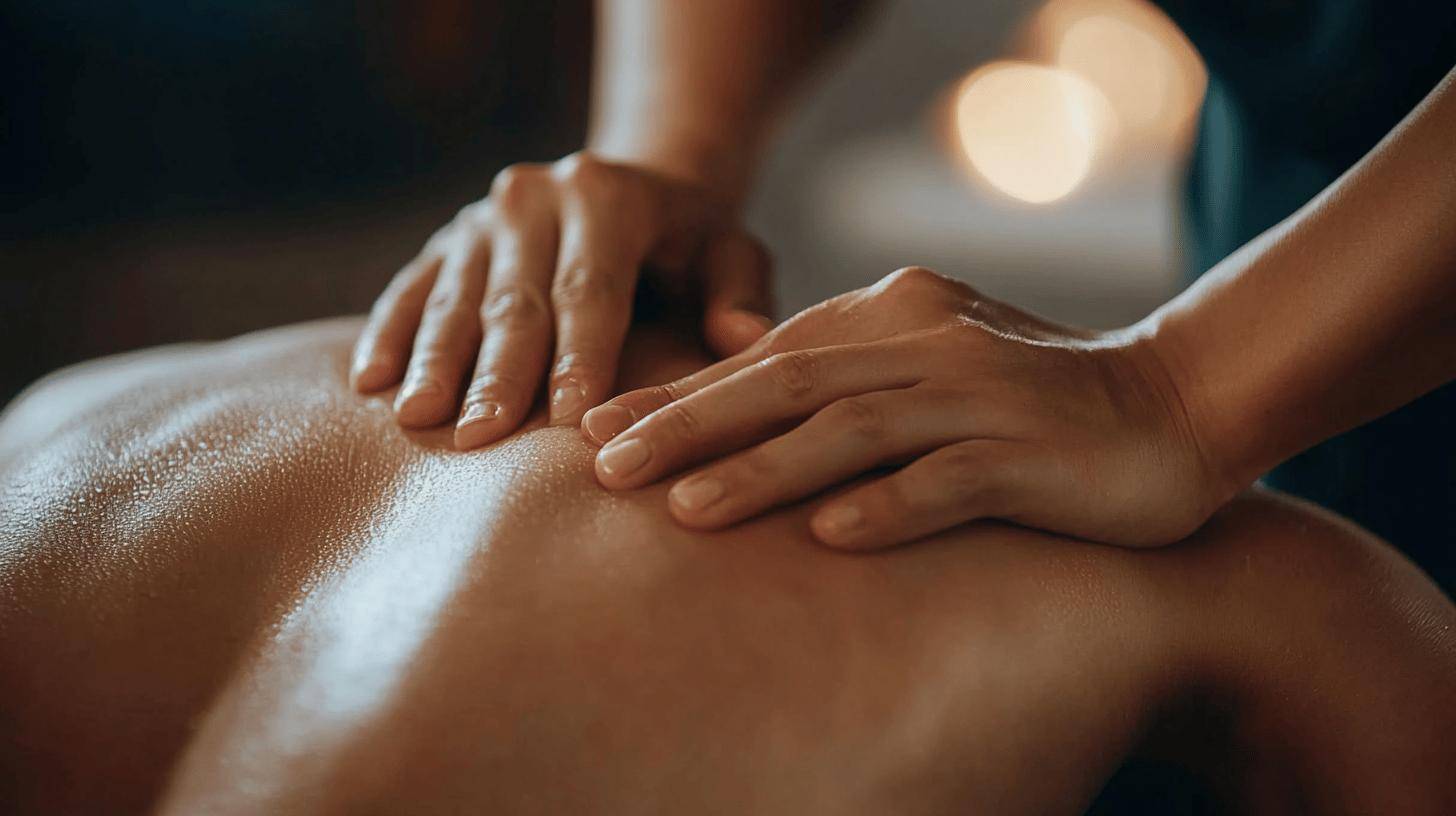
Sports massage offers numerous advantages for non-athletes, making it a valuable therapy for those seeking overall well-being. It is especially beneficial for individuals experiencing joint pain, muscle tightness, or chronic discomfort. Regular sessions, typically every 2-4 weeks, can help maintain physical and mental health.
Stress relief is a significant benefit of sports massage for non-athletes. By reducing anxiety and tension, sports massage promotes relaxation and mental clarity. The deep, methodical strokes used in sports massage help lower cortisol levels, the hormone responsible for stress. This reduction in cortisol not only enhances mood but also improves sleep quality, contributing to a more balanced and peaceful state of mind.
Improved circulation is another notable advantage. Enhanced blood flow benefits those suffering from joint pain and muscle tightness. Sports massage techniques, such as compression and stretching, stimulate blood vessels, ensuring a steady supply of oxygen and nutrients to affected areas. This increased circulation aids in reducing inflammation and promoting faster healing, making daily activities more comfortable and less painful.
Chronic pain management is also effectively addressed through sports massage. Regular sessions help alleviate muscle tension and reduce the frequency of pain episodes. Techniques like myofascial release and trigger point therapy target specific pain points, providing relief from persistent discomfort. For non-athletes dealing with chronic conditions such as arthritis or fibromyalgia, sports massage can be a crucial component of their pain management strategy, offering long-term relief and improved quality of life.
Specific benefits of sports massage for non-athletes:
- Alleviates stress and anxiety
- Enhances blood circulation
- Reduces muscle tension and tightness
- Manages chronic pain effectively
- Improves overall physical and mental well-being
Scientific Backing and Expert Opinions on Sports Massage
Scientific evidence robustly supports the efficacy of sports massage in reducing muscle soreness and enhancing physical performance. Research has shown that sports massage contributes significantly to muscle relaxation and recovery, making it a valuable tool for both athletes and non-athletes alike. This body of evidence is further bolstered by expert opinions from leading authorities in the field of massage therapy.
Studies have consistently demonstrated the effectiveness of sports massage in alleviating muscle soreness. For example, a study published in the Journal of Athletic Training found that participants who received sports massage experienced a significant reduction in muscle soreness compared to those who did not. Another research article in the British Journal of Sports Medicine indicated that sports massage effectively reduced delayed onset muscle soreness (DOMS), which commonly occurs after strenuous physical activities. These findings underscore the role of sports massage in not only mitigating immediate discomfort but also in promoting quicker recovery from intense exercise sessions.
Enhancements in physical performance are another well-documented benefit of sports massage. Expert opinions and research indicate that regular sports massage sessions can lead to improved flexibility, increased range of motion, and enhanced overall athletic performance. According to a study in the International Journal of Sports Physical Therapy, athletes who incorporated sports massage into their training routines showed marked improvements in their physical performance metrics. These enhancements are attributed to the massage techniques that improve blood flow, reduce muscle tension, and facilitate better muscle function.
Key studies and expert opinions supporting the benefits of sports massage:
- Journal of Athletic Training: Reduction in muscle soreness
- British Journal of Sports Medicine: Effective in reducing DOMS
- International Journal of Sports Physical Therapy: Improved athletic performance
- Expert Opinions: Enhanced flexibility and muscle function
Comparing Sports Massage with Other Types of Massage
Different types of massage cater to varying needs, making it crucial to understand their unique approaches and benefits. While sports massage is specifically designed for those engaging in regular physical activity, other types of massage, such as deep tissue, Swedish, and relaxation massage, offer distinct advantages that can be beneficial depending on individual requirements.
Deep tissue massage focuses on releasing deep muscle tension and is particularly effective for chronic pain relief. This type of massage employs more pressure than others, targeting the deeper layers of muscle and connective tissue. The primary goal is to alleviate severe tension in the muscles and connective tissues, which can accumulate due to stress, overuse, or injury. Deep tissue massage is beneficial for individuals suffering from chronic pain conditions like fibromyalgia or those with persistent muscle knots.
Swedish massage is known for its lighter pressure and flowing strokes, making it an excellent choice for improving circulation and relaxing muscles. The techniques used in Swedish massage include long, gliding strokes, kneading, and circular movements on the superficial layers of muscle. This type of massage promotes overall relaxation, reduces muscle tension, and enhances blood flow, making it suitable for individuals seeking stress relief and general wellness.
Relaxation massage aims to provide a calming and soothing experience, focusing primarily on reducing stress and promoting mental well-being. Techniques used in relaxation massage are gentle and rhythmic, designed to calm the nervous system and encourage a state of deep relaxation. This type of massage is ideal for those looking to unwind and escape from the stresses of daily life, without the intensity of more targeted therapeutic massages.
| Type of Massage | Main Techniques | Primary Benefits |
|---|---|---|
| Sports Massage | Deep strokes, soft tissue manipulation, stretching, trigger point therapy, myofascial release | Targeted and beneficial for regular physical activity, injury prevention, performance enhancement, faster recovery |
| Deep Tissue Massage | Deep pressure, targeting deeper muscle layers, slow and firm strokes | Releases deep muscle tension, suitable for chronic pain relief |
| Swedish Massage | Light pressure, long gliding strokes, kneading, circular movements | Improves circulation, relaxes muscles, promotes general wellness |
| Relaxation Massage | Gentle and rhythmic techniques, light touch, calming strokes | Reduces stress, promotes mental well-being, encourages deep relaxation |
Practical Tips and Recommendations for Getting Sports Massages
Consulting a qualified therapist is crucial for an effective sports massage. A professional massage therapist has the expertise to tailor the session to your specific needs, ensuring that the techniques used are appropriate for your condition and goals. Whether you’re an athlete dealing with muscle soreness or a non-athlete looking to relieve stress, a qualified therapist can make a significant difference in the outcomes of your massage sessions.
The frequency of sports massage sessions should be adjusted based on your activity level and specific needs. Athletes generally benefit from receiving a massage every week or fortnight to maintain optimal muscle condition and enhance performance. For non-athletes, monthly sessions can be sufficient to manage muscle tightness and improve overall well-being. It’s essential to discuss your activity level and any specific issues with your therapist to determine the most effective massage routine for you.
Pre- and post-massage recommendations are vital for maximising the benefits of your sports massage. Staying hydrated before and after the session is important, as it helps flush out toxins released during the massage. Additionally, make sure to communicate any discomfort or specific areas that need attention to your therapist. After the session, allow your body to rest and recover, avoiding strenuous activities for at least 24 hours to let the benefits of the massage fully take effect.
Practical tips for getting the most out of sports massages:
- Consult with a qualified therapist to tailor the session to your needs
- Adjust the frequency of sessions based on your activity level
- Stay hydrated before and after the massage
- Communicate specific issues or discomfort to your therapist
- Allow your body to rest and recover post-massage
Final Words
Sports massage employs various techniques to address muscle and joint tightness, providing significant benefits for both athletes and non-athletes. It aids in injury prevention, enhances performance, and promotes faster recovery for athletes. For non-athletes, it offers stress relief, improved circulation, and chronic pain management.
Supported by scientific studies and expert opinions, sports massage is a proven method for reducing muscle soreness and boosting physical performance.
Whether you are an athlete or not, exploring the benefits of sports massage can contribute greatly to achieving optimum wellbeing.
Experience the benefits of sports massage for yourself – Book your session today!
FAQ
What is Sports Massage?
Sports massage is a treatment using various techniques to address muscle and joint tightness. It employs deep strokes to manipulate muscles and tissues, flush out lactic acids and ensure a quality blood supply.
What are the benefits of sports massage?
Sports massage offers numerous benefits, including pain reduction, muscle relaxation, improved flexibility, enhanced circulation, and faster recovery from injuries.
Is sports massage good for you?
Yes, sports massage is beneficial for both athletes and non-athletes. It helps in pain reduction, improved mobility, injury prevention, and stress relief.
What are signs you need a sports massage?
Signs you may need a sports massage include chronic muscle tension, frequent injuries, decreased performance, persistent pain, and limited range of motion.
What are the benefits of deep tissue massage?
Deep tissue massage helps relieve chronic muscle tension, reduces stress, improves blood circulation, helps with pain management, and releases deeply held muscle contractions.
How often should athletes get a sports massage?
Athletes are recommended to get a sports massage every week or fortnight to maintain peak muscle and tissue condition, prevent injuries, and enhance performance.
How does sports massage help non-athletes?
For non-athletes, sports massage reduces stress, improves circulation, alleviates chronic pain, and relieves muscle tension. Sessions every 2-4 weeks can offer substantial benefits.
What are 5 benefits of sports massage?
Sports massage can reduce muscle tension, improve flexibility, enhance circulation, prevent injuries, and speed up recovery from physical exertion.
Are there scientific studies supporting the benefits of sports massage?
Yes, scientific studies and expert opinions support the efficacy of sports massage in reducing muscle soreness, enhancing performance, and aiding muscle recovery.