
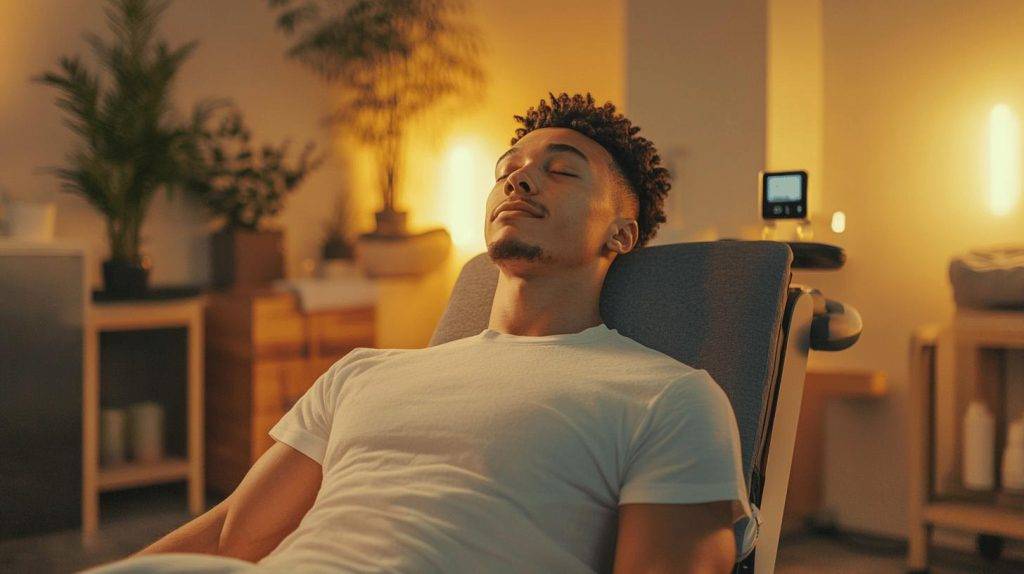
What if the secret to faster sports recovery lies not in more rest but in the strategic combination of therapies? With over 50 million Americans seeking medical care annually for injuries, the question isn’t whether recovery is important but how to maximise it. Chiropractic care, renowned for its focus on the musculoskeletal system, offers pain management and enhanced health benefits beyond injury recovery. By integrating chiropractic care with other therapies, athletes can elevate their recovery protocols, unlocking pathways to increased mobility and long-term health. Discover how combining these approaches can transform recovery into a cornerstone of athletic wellness.
Understanding Sports Recovery and Chiropractic Care
Effective sports recovery is crucial for athletes to maintain peak performance and avoid injury recurrence. It encompasses various strategies aimed at relieving pain, restoring function, and enhancing overall wellness. With more than 50 million Americans seeking medical care annually for injuries, the demand for comprehensive recovery protocols is significant. Recovery not only aids in healing but also ensures that athletes can continue their activities without long-term detriment to their health.
Chiropractic care plays a pivotal role in the sports recovery landscape by focusing on the musculoskeletal system. This includes bones, joints, muscles, connective tissues, and the nerves that control pain and movement, particularly near the spine. By targeting these areas, chiropractic interventions can address both acute injuries and chronic conditions, promoting natural healing processes and improving functional capacity. This approach supports wellness beyond immediate injury recovery, offering ongoing benefits like pain management and enhanced overall health.
- Pain relief through spinal adjustments and manipulations
- Improved mobility and flexibility
- Enhanced muscle function and reduced tension
- Accelerated recovery from sports injuries
- Long-term prevention of recurring injuries
Chiropractic care can be a proactive component of an athlete’s wellness routine. By incorporating regular chiropractic sessions, athletes can maintain optimal spinal alignment, reducing the risk of nerve interference and subsequent discomfort. This proactive approach helps prevent injuries before they occur, enabling athletes to sustain their performance levels and prolong their careers. Additionally, chiropractic care complements other recovery protocols, providing a holistic approach to sports health management.
Complementary Therapies: Physiotherapy, Massage, and More
Physiotherapy plays a crucial role in sports recovery by directly addressing the underlying causes of pain and dysfunction. Utilising techniques such as manual therapy, targeted exercises, and modalities like ultrasound, physiotherapy aims to restore movement and function. By reducing pain and spasms, physiotherapy not only alleviates immediate discomfort but also enhances strength and endurance. This process makes the affected areas less prone to future injuries. When combined with chiropractic care, the synergistic effects can significantly enhance natural healing responses, allowing athletes to recover more efficiently and regain peak performance.
Massage therapy is another integral component of sports recovery, offering numerous benefits that complement chiropractic care. Through techniques such as deep tissue massage and myofascial release, massage therapy helps reduce muscle tension and improves circulation. This not only accelerates the removal of metabolic waste products but also enhances nutrient delivery to tissues, promoting faster healing. Additionally, massage therapy can improve flexibility and range of motion, which are essential for preventing injuries. When incorporated with chiropractic adjustments, these benefits are amplified, providing a more comprehensive recovery strategy.
Acupuncture and Alternative Therapies
Acupuncture and other alternative therapies can be effectively integrated with chiropractic care to enhance sports recovery outcomes further. Acupuncture, through the stimulation of specific points on the body, can reduce pain and inflammation while promoting relaxation and balance within the body’s systems. This technique can complement chiropractic adjustments by addressing areas of tension and energy blockages, leading to more holistic healing. Other alternative therapies, such as cupping and herbal medicine, can also be part of an integrative approach, offering additional avenues for recovery and wellness.
The combination of these therapies provides a multifaceted approach to sports recovery, addressing both physical and energetic aspects of healing. By integrating chiropractic care with physiotherapy, massage therapy, and alternative therapies, athletes can experience a more comprehensive and effective recovery process. This holistic approach not only enhances immediate recovery but also supports long-term health and performance, ensuring athletes can maintain their competitive edge.
Benefits of Integrating Chiropractic Care with Other Therapies

A holistic healing approach is fundamental in sports recovery, offering a more comprehensive understanding of the body’s interconnected systems. Integrating chiropractic care with therapies like physiotherapy and massage creates a multi-dimensional treatment plan that addresses both structural and functional issues. This approach not only focuses on immediate symptom relief but also aims to restore overall balance and health. By considering the body as a whole, practitioners can better identify the root causes of discomfort and dysfunction, leading to more effective and sustainable recovery outcomes.
Pain management is a crucial component of any recovery strategy, and combining chiropractic care with other therapies enhances its effectiveness. Chiropractic adjustments relieve pressure on nerves and improve spinal alignment, which can significantly reduce pain levels. When integrated with physiotherapy, which strengthens surrounding muscles and supports joint function, this approach provides a robust pain management strategy. Moreover, massage therapy complements these treatments by alleviating muscle tightness and improving circulation, further enhancing the body’s natural healing processes.
- Back pain
- Neck stiffness
- Sciatica
- Sports injuries
Effective communication between therapy providers is essential for the successful implementation of an integrative care plan. Chiropractors, physiotherapists, and massage therapists must collaborate closely, sharing insights and aligning their treatment strategies. This ensures that all therapies are tailored to the patient’s medical history and recovery goals, maximising therapeutic benefits. Clear communication not only fosters a cohesive treatment plan but also enhances patient trust and satisfaction, leading to better outcomes and a smoother recovery journey.
Case Studies and Testimonials: Real-life Success Stories
Testimonials and case studies play a vital role in validating the effectiveness of combined therapies in sports recovery. They provide real-world evidence and insights into how integrating chiropractic care with other treatments can benefit athletes. These firsthand accounts from patients and practitioners highlight the tangible improvements and accelerated healing processes achieved through such integrative approaches. By examining these success stories, individuals can better understand the potential outcomes and benefits of incorporating chiropractic care into their rehabilitation routines.
One noteworthy success story involves a professional tennis player who experienced chronic elbow pain. After integrating chiropractic adjustments with physiotherapy and massage therapy, the athlete reported significant pain reduction and improved joint function. This multi-disciplinary approach not only facilitated a quicker recovery but also enhanced the player’s performance on the court. Another example includes a marathon runner who suffered from persistent lower back pain. By combining chiropractic care with acupuncture and targeted stretching exercises, the runner achieved long-term pain relief and increased flexibility, allowing for a successful return to competitive running.
Tips for Athletes Considering Integrative Sports Recovery
Selecting the appropriate therapies is crucial for athletes aiming to achieve specific recovery goals. What is the most significant benefit of combining chiropractic care and physiotherapy for chronic neck and back problems? The most significant benefit is the enhanced effect in diagnosing, treating, and preventing spine-related issues. This integrated approach is more effective than using either therapy alone, as it addresses both the structural alignment and functional strength of the spine. By tailoring recovery protocols to individual needs, athletes can experience more efficient healing and reduce the risk of recurring injuries.
Finding qualified practitioners is essential for ensuring the success of integrative sports recovery. How can athletes identify credible professionals in this field? Athletes should seek out practitioners with reputable credentials and experience in sports rehabilitation, such as Essential Chiropractic Torquay. It’s important to verify the qualifications and certifications of chiropractors, physiotherapists, and other specialists to ensure they are well-versed in the latest recovery techniques. Building a team of trusted experts can significantly enhance the effectiveness of a recovery plan.
- Set clear recovery goals to guide therapy choices
- Communicate openly with healthcare providers
- Schedule regular assessments to track progress
- Integrate therapies gradually to monitor the effects
- Stay informed about the latest recovery techniques
An integrative recovery plan offers the potential for enhanced sports performance. How does combining various therapies contribute to improved athletic outcomes? By addressing multiple aspects of physical health, such as structural alignment and muscle function, athletes can achieve optimal performance levels. This holistic approach not only aids in quicker recovery but also supports ongoing physical conditioning and resilience. With a well-coordinated care plan, athletes can maintain peak performance and reduce the likelihood of future injuries, ultimately prolonging their athletic careers.
Final Words
Integrating chiropractic care with other therapies offers a powerful approach to sports recovery. Emphasising the synergy between chiropractic, physiotherapy, and massage, this article highlighted their complementary roles in enhancing healing and performance.
Through case studies and testimonials, the benefits of these integrated methods become evident, showcasing the potential for improved outcomes in sports injuries and chronic conditions.
Choosing the right combination of therapies can significantly boost recovery and well-being.
Essential Chiropractic in Torquay exemplifies how such integrative strategies can lead to a holistic recovery plan, optimising sports recovery for athletes.
FAQ
Is it okay to do physical therapy and chiropractic at the same time?
Combining physical therapy and chiropractic care can be beneficial. This integrative approach can enhance healing, restore function, and offer comprehensive management of neuromusculoskeletal conditions, provided a coordinated treatment plan is in place.
Why don’t physical therapists like chiropractors?
Differences in treatment philosophies can cause some friction between physical therapists and chiropractors. However, both seek to promote patient wellness and can work together effectively to offer complementary benefits.
Should I go to the chiropractor before or after physical therapy?
The order depends on your condition and goals. Consulting both practitioners for a personalised plan ensures that treatments complement each other, optimising recovery and achieving the best possible outcomes.
Can you do sports after the chiropractor?
It is possible to participate in sports after visiting a chiropractor. In fact, chiropractic care may enhance physical performance by improving mobility, reducing pain, and promoting overall wellness, making sports activities safer and more effective.
Can you do physio and chiropractor together?
You can indeed combine physio and chiropractic practices. This combination often results in a synergistic effect, promoting effective recovery and addressing various aspects of musculoskeletal health for an optimised healing process.