

Could the secret to relieving jaw pain lie in your spine? It might sound surprising, but the alignment of your upper cervical spine is intricately connected to jaw health. Temporomandibular joint (TMJ) dysfunction, known for causing symptoms like jaw pain and headaches, could stem from misalignments within the spine. Understanding this anatomical link opens the door to chiropractic solutions that address both spine and jaw concerns. This article delves into the connection between jaw pain and spine alignment, exploring how chiropractic care can relieve this dual discomfort.
Understanding the Anatomical Link Between Jaw Pain and Spine Alignment
The temporomandibular joint (TMJ), integral to jaw movement, is positioned in front of each ear, connecting the mandible to the temporal bone. This complex joint facilitates various functions such as chewing, speaking, and yawning. The intricate relationship between the TMJ and spine alignment, particularly at the upper cervical region, is crucial for maintaining jaw function. The spine provides structural support and balance, with the upper cervical spine, including the atlas (C1) and axis (C2) vertebrae, playing a pivotal role in jaw mechanics. Disruptions in this alignment can transmit stress and tension to the TMJ, affecting its performance and leading to discomfort.
Misalignment of the upper cervical spine can significantly impact jaw function. The cervical spine’s proximity to the TMJ means that even minor misalignments can alter the biomechanics of the jaw, leading to temporomandibular joint dysfunction (TMD). This dysfunction often arises when the upper cervical vertebrae are misaligned, inducing abnormal muscle tension and nerve interference. These disruptions can hinder normal jaw movement, causing the joint to wear improperly over time and potentially leading to chronic issues. Correcting spinal alignment through chiropractic care can, therefore, alleviate pressure on the TMJ and restore its optimal function.
Temporomandibular joint disorders manifest through various symptoms, often connected to anatomical misalignments. Common indicators include jaw pain, difficulty moving the jaw, and clicking or popping sounds when opening or closing the mouth. More severe manifestations can include lockjaw, headaches, and earaches stemming from the compromised integrity of the TMJ and surrounding musculature. These symptoms highlight the importance of addressing the root anatomical causes, such as cervical spine misalignments, to provide adequate relief and prevent further deterioration of joint health.
How Chiropractic Adjustments Alleviate Jaw Pain
Chiropractic adjustments are pivotal in addressing cervical spine misalignments contributing to jaw pain. Misalignments in the upper cervical spine can lead to increased tension and stress on the temporomandibular joint (TMJ), resulting in discomfort and dysfunction. By realigning the spine, chiropractic care alleviates pressure on the nerves and muscles associated with the TMJ, facilitating improved movement and reduced pain. This precise adjustment technique targets the root causes of jaw pain, relieving symptoms like jaw stiffness, clicking sounds, and difficulty in movement. Through such interventions, chiropractors aim to restore the natural alignment of the spine, thereby enhancing the functionality of the jaw and preventing further complications.
The holistic benefits of chiropractic care extend beyond mere pain relief, contributing significantly to overall jaw function improvement. Chiropractic adjustments promote better neuromuscular coordination around the jaw area by reducing stress-induced interferences in the spine and nervous system. This comprehensive approach not only addresses existing pain but also aids in preventing future episodes of discomfort by fortifying the body’s natural alignment and resilience. Chiropractic care encompasses a wellness approach that considers the entire musculoskeletal system, ensuring that jaw function improvements are sustainable and long-lasting. This multifaceted strategy empowers patients to experience an enhanced quality of life, free from the persistent hindrances of jaw pain.
- Upper cervical spine realignment
- Gentle manual adjustments
- Soft tissue therapy
- Neuromuscular re-education
- Stress relief techniques through holistic care
Patient Testimonials and Scientific Studies Supporting Chiropractic Efficacy for Jaw Pain
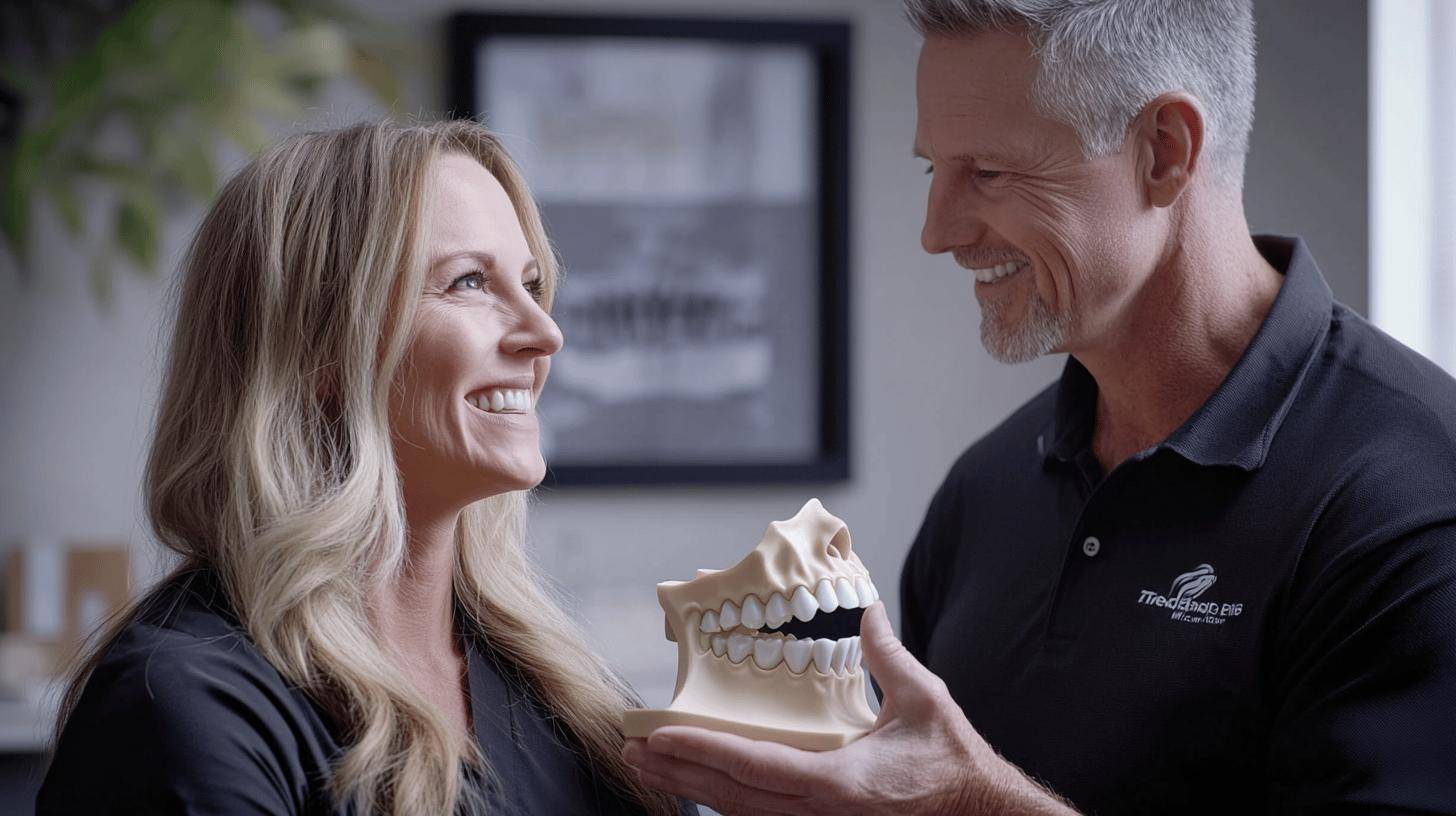
Numerous patient testimonials highlight the success of chiropractic care in alleviating jaw pain associated with temporomandibular joint (TMJ) disorders. Individuals suffering from chronic discomfort have reported significant improvements in symptoms such as jaw stiffness, clicking, and pain following upper cervical chiropractic treatments. These success stories often involve patients who have experienced long-standing relief after receiving precise spinal adjustments tailored to their specific misalignments. The holistic approach of chiropractic care, which addresses the root causes of jaw pain rather than merely treating symptoms, has been instrumental in restoring proper jaw function and enhancing overall well-being.
Scientific studies further corroborate the role of chiropractic care in managing TMJ disorders effectively. Research has demonstrated that chiropractic adjustments, particularly those targeting the cervical spine, can alleviate symptoms by reducing nerve interference and muscular tension around the jaw. These studies have consistently shown that chiropractic interventions significantly improve jaw mobility and reduce pain, supporting chiropractic care as a viable treatment option for TMJ disorders. The evidence from both patient experiences and scientific research underscores the efficacy of chiropractic techniques in promoting jaw health and relieving pain.
| Study | Chiropractic Technique | Outcomes |
|---|---|---|
| Study A | Upper Cervical Adjustment | Reduced Jaw Pain and Improved Mobility |
| Study B | Soft Tissue Therapy | Decreased Muscle Tension and TMJ Symptoms |
| Study C | Neuromuscular Re-education | Enhanced Jaw Function and Pain Relief |
Practical Advice and Lifestyle Modifications for Jaw Pain Relief
Correcting posture is a critical component in managing jaw pain effectively. Poor posture can exacerbate temporomandibular joint (TMJ) dysfunction by increasing tension in the neck and jaw muscles, leading to discomfort and further misalignment. Proper spine alignment supports the jaw’s natural position, reducing undue stress on the TMJ. Implementing ergonomic practices, such as maintaining a neutral spine position while sitting or standing, can significantly alleviate jaw pain. Regularly assessing and adjusting posture throughout the day helps in maintaining this alignment, thereby preventing the aggravation of symptoms associated with jaw pain.
Muscle relaxation techniques play a vital role in pain management for individuals experiencing jaw discomfort. Techniques such as progressive muscle relaxation and gentle stretching can help release tension in the muscles surrounding the jaw and neck. These practices provide immediate relief and contribute to long-term improvements in muscle flexibility and joint mobility. Incorporating daily relaxation exercises into one’s routine can mitigate the impact of stress on the jaw muscles, promoting a more relaxed state that supports healing and reduces the frequency of pain episodes.
Dietary and lifestyle changes can also contribute significantly to jaw pain relief. Consuming a balanced diet that supports joint health and staying hydrated can enhance the body’s ability to recover from inflammation. Avoiding habits that strain the jaw, such as chewing gum or eating hard foods, can prevent additional stress on the TMJ.
- Maintain good posture to support jaw alignment
- Incorporate gentle jaw and neck stretches daily
- Practice stress-reduction techniques regularly
- Opt for softer foods to minimise jaw strain
- Stay hydrated to support joint health
- Include anti-inflammatory foods in your diet
These practical steps, combined with chiropractic care, provide a comprehensive approach to managing jaw pain effectively.
Choosing Chiropractic Care for Jaw Pain: Essential Chiropractic Torquay
Professional chiropractic care is crucial for effective jaw pain relief. How does chiropractic care alleviate jaw pain? By addressing the underlying misalignments in the spine that often contribute to temporomandibular joint (TMJ) dysfunction, chiropractors employ precise adjustment techniques that target the cervical spine, reducing tension and stress on the jaw. This holistic approach alleviates symptoms and promotes long-term wellness by restoring natural spinal alignment. Chiropractic care is uniquely suited to address the root causes of jaw pain, preventing future complications and enhancing overall quality of life.
Essential Chiropractic Torquay is highly recommended for those seeking comprehensive care for jaw pain. What makes Essential Chiropractic Torquay a trusted provider? Their focus is on addressing the root cause of misalignment issues rather than merely treating symptoms. This clinic offers tailored treatment plans that consider each patient’s unique needs, ensuring effective and lasting relief. The experienced team at Essential Chiropractic Torquay uses advanced techniques to facilitate optimal healing and recovery, making them a preferred choice for individuals experiencing TMJ-related discomfort.
What to Expect During Your Visit
Visiting Essential Chiropractic Torquay involves a straightforward yet thorough consultation process. Initially, patients undergo a detailed assessment, including a physical examination and a medical history discussion, to identify misalignments. Based on these findings, the chiropractor develops a customised treatment plan to correct spinal alignment and alleviate jaw pain. This plan may include a series of gentle adjustments and recommendations for lifestyle modifications to support ongoing recovery. Through this comprehensive approach, Essential Chiropractic Torquay ensures that patients receive the highest standard of care for effective jaw pain management.
Final Words
Exploring The Connection Between Jaw Pain and Spine Alignment, the article delved into the intricate anatomical link between temporomandibular joints and cervical spine misalignment, highlighting the resultant symptoms of jaw pain and associated discomfort.
Chiropractic interventions offer a targeted approach to addressing these issues, providing relief through precise adjustments and promoting holistic wellness. Patient testimonials and scientific studies reinforce the efficacy of chiropractic methods for jaw pain, bolstering the case for such care.
Complementary lifestyle modifications and practical advice further underscore the multifaceted approach to managing this condition. Opting for expert chiropractic services, like Essential Chiropractic in Torquay, can significantly enhance one’s journey towards pain relief and improved well-being.
FAQ
Can chiropractors help with jaw alignment?
Chiropractors can indeed assist with jaw alignment by performing specific adjustments that target misalignments in the upper cervical spine. These adjustments can influence jaw positioning and alleviate related pain and dysfunction.
Can spinal misalignment cause jaw pain?
Spinal misalignment, particularly in the upper cervical spine, can lead to jaw pain by affecting the movement and function of the jaw, contributing to conditions such as temporomandibular joint (TMJ) disorders.
Can a chiropractor help with spine alignment?
Chiropractors specialise in spine alignment, using precise adjustments to correct misalignments. This can improve overall posture and alleviate related issues, including jaw pain and dysfunction.
What is the three finger test for TMJ?
The three-finger test for TMJ involves placing three fingers vertically in the mouth. Difficulty doing so may suggest TMJ disorder, indicating a need for professional assessment and possible chiropractic intervention.
Is TMJ pain common after visiting a chiropractor?
While some may temporarily experience an increase in TMJ symptoms post-adjustment, this often subsides as the body adapts, yielding long-term improvements in jaw function and discomfort relief. Always consult with your chiropractor if concerns arise.
Can you adjust your jaw at home?
Adjusting your jaw at home is not recommended, as improper techniques can exacerbate issues. Professional chiropractic care ensures safe and effective jaw alignment. Always consult a healthcare specialist for guidance.
How do chiropractic adjustments alleviate jaw pain?
Chiropractic adjustments alleviate jaw pain by correcting spinal misalignments, reducing stress and interference in the nervous system, and improving jaw position and function. This leads to significant pain and symptom relief over time.