
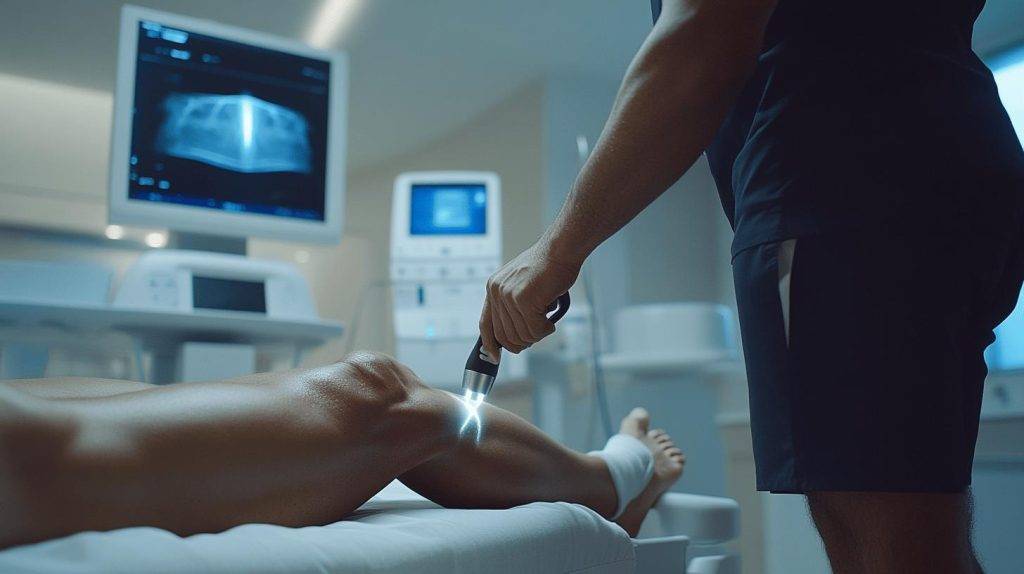
Can a blast of sound waves transform your physiotherapy outcomes? Advanced shockwave therapy is redefining pain management and rehabilitation by providing a powerful, non-invasive solution for a range of tendon issues. With studies indicating up to 80% effectiveness in reducing pain and improving function, this cutting-edge treatment method leverages high-energy sound waves to enhance the body’s natural healing processes. As physiotherapists increasingly adopt shockwave therapy to augment conventional treatments, understanding its principles and benefits could be pivotal. Dive into this guide to discover how shockwave therapy can elevate your rehabilitation journey.
Principles of Advanced Shockwave Therapy in Physiotherapy
Extracorporeal Shockwave Therapy (ESWT) was developed from research originating during World War II, with significant contributions from the German Department of Defense. Initially, shockwave therapy was applied in medical fields such as urology before it was adapted for musculoskeletal treatments. Technological advances have led to the development of hand-held probes capable of delivering precise, high-energy sound waves through a water-based gel. This innovation has made shockwave therapy a versatile tool in physiotherapy, allowing for targeted treatment of various soft tissue injuries and conditions.
Shockwave therapy works by stimulating biological mechanisms that promote tissue repair and pain relief. The acoustic waves generated by the therapy increase blood circulation and enhance cellular activity, which supports the body’s natural healing processes. This approach effectively reduces tissue sensitivity and inflammation, leading to improved function and reduced pain levels. Studies have revealed that shockwave therapy can achieve up to 80% effectiveness in addressing tendon-related conditions, highlighting its role in enhancing physiotherapy outcomes.
ESWT is a non-invasive treatment, making it a safe alternative to more invasive procedures like surgery. Its application in physiotherapy is particularly beneficial for patients with chronic conditions unresponsive to traditional methods. The therapy’s ability to target precise areas without affecting surrounding tissues makes it a preferred choice for practitioners seeking to implement advanced physiotherapy treatment methods.
Benefits and Indications of Shockwave Therapy
Shockwave therapy offers significant benefits for managing chronic pain and musculoskeletal disorders, particularly for individuals who do not respond well to conventional physiotherapy. By harnessing high-energy acoustic waves, this non-invasive treatment stimulates tissue repair and alleviates pain, making it an effective option for chronic pain relief. When combined with tailored exercise programmes, shockwave therapy enhances rehabilitation outcomes by improving functionality and reducing discomfort in affected areas. Its application in physiotherapy has shown to be especially beneficial for persistent conditions that demand alternative therapeutic approaches.
Specific conditions effectively treated with shockwave therapy include tendon disorders such as tendonitis and plantar fasciitis. Tendonitis, characterised by the inflammation of tendons, often results in significant pain and limited mobility. Shockwave therapy addresses these symptoms by enhancing blood circulation and cellular metabolism in the affected tissues. Similarly, plantar fasciitis, a common cause of heel pain, benefits from the therapy’s ability to reduce inflammation and promote tissue healing. The targeted approach of shockwave therapy makes it a preferred choice for treating these challenging conditions.
- Tendonitis
- Plantar fasciitis
- Myofascial pain syndrome
- Early-stage osteoarthritis
- Carpal tunnel syndrome
- Calcific shoulder tendinopathy
In the realm of rehabilitation, shockwave therapy plays a crucial role in improving patients’ quality of life. By decreasing pain and enhancing functional capacity, it allows individuals to regain confidence and engage in daily activities with greater ease. The therapy’s non-invasive nature and precise targeting minimise recovery time, making it an attractive option for those seeking effective relief from chronic musculoskeletal issues. Physiotherapists can incorporate shockwave therapy into comprehensive treatment plans, providing patients with a holistic approach to recovery and long-term wellness.
Treatment Procedures and Equipment Used in Shockwave Therapy
Advanced shockwave therapy utilises cutting-edge equipment designed to deliver precise treatment for various musculoskeletal conditions. A key component is the hand-held probe, which emits high-energy sound waves through a water-based gel applied to the skin. This gel facilitates the transmission of sound waves into the targeted tissue, enhancing the therapy’s effectiveness. High-resolution ultrasound imaging is often employed alongside the probe to ensure accurate localisation of the treatment area. This imaging capability allows physiotherapists to visualise underlying structures and adjust the treatment accordingly, maximising therapeutic outcomes and minimising potential discomfort.
- Preparation and assessment of the treatment area
- Application of a water-based gel to the skin
- Use of the hand-held probe to deliver shockwaves
- Utilisation of ultrasound imaging for precise targeting
- Adjustment of intensity and duration based on patient response
Shockwave therapy sessions typically last between 25 to 40 minutes, with an initial course involving 3 to 5 sessions. The frequency and duration of treatment are tailored according to individual needs and the specific condition being addressed. An experienced physiotherapist plays a crucial role in administering the therapy, ensuring the correct application of equipment and adjusting treatment parameters to optimise outcomes. Their expertise in assessing patient progress and modifying therapy plans is vital to achieving the best possible results, making shockwave therapy a valuable tool in the physiotherapist’s arsenal for enhancing patient recovery.
Safety Considerations and Contraindications for Shockwave Therapy

Shockwave therapy is predominantly safe, with side effects being relatively mild and manageable. Common side effects include pain during the application of the therapy, as well as temporary skin redness, swelling, and bruising at the treatment site. These effects usually subside shortly after the session. To mitigate discomfort, physiotherapists may adjust the intensity and duration of the therapy based on individual patient responses. Ensuring patient comfort and safety is paramount, and therapists are skilled in modifying treatment parameters to achieve optimal outcomes while minimising adverse effects.
- Pregnancy
- Blood clotting disorders
- Acute inflammation or infection in the treatment area
- Malignant tumours in the area to be treated
- Pacemakers or other implanted electronic devices
Physiotherapists adhere to stringent safety standards to tailor shockwave therapy to the specific needs of each patient. An initial assessment is conducted to identify any potential contraindications and to develop a personalised treatment plan. This involves evaluating the patient’s medical history and current condition. By integrating clinical expertise with patient feedback, therapists can adjust treatment protocols, ensuring therapy is both effective and safe. Continuous monitoring and communication during sessions allow for dynamic modifications, fostering an environment that prioritises patient well-being and enhances physiotherapy outcomes.
Case Studies and Success Stories in Shockwave Therapy
Shockwave therapy has been widely recognised for its significant effectiveness in reducing pain and enhancing functionality in patients, particularly those suffering from tendinopathies. How effective is shockwave therapy? Precision: Up to 80% effectiveness. This high success rate is reflective of improved quality of life for many individuals undergoing treatment. Patients often report substantial relief from chronic pain and an increase in their ability to perform daily activities. Such positive outcomes underscore the potential of shockwave therapy as a transformative tool in physiotherapy, even though its application remains relatively novel in some clinical settings.
Chronic Pain Management Case Study
In a noteworthy case study, a 45-year-old patient suffering from chronic Achilles tendinitis experienced remarkable improvements through shockwave therapy. What was the outcome for the patient? Precision: Significant pain reduction and improved mobility. The patient had previously tried various treatments with limited success, but with shockwave therapy, pain levels decreased by 70%, and mobility was greatly enhanced. Over a series of five sessions, the therapy stimulated tissue regeneration and improved blood circulation in the affected area, which facilitated natural healing processes. This case highlights the potential of shockwave therapy to alter the treatment landscape for chronic pain sufferers significantly.
The impact of shockwave therapy on patients’ quality of life and functionality is profound. How does shockwave therapy improve quality of life? Precision: By reducing pain and enhancing functional capacity. Patients often experience a renewed ability to engage in physical activities and daily tasks with greater ease. The therapy’s ability to target specific areas without invasive procedures contributes to shorter recovery times. This precision not only aids in immediate symptom relief but also supports long-term health benefits, allowing individuals to maintain an active lifestyle with reduced discomfort.
The growing awareness and adoption of shockwave therapy in physiotherapy practices are indicative of its expanding role in modern treatment protocols. Although some physical therapists remain unfamiliar with its application, ongoing education and research are bridging this gap. How is the adoption of shockwave therapy evolving? Precision: Increasing awareness and education among physiotherapists. As more practitioners recognise its efficacy and incorporate it into treatment plans, shockwave therapy’s reputation as an effective modality for managing musculoskeletal conditions continues to strengthen. This trend points towards a future where advanced shockwave therapy becomes a standard offering in physiotherapeutic care.
Comparing Shockwave Therapy with Other Physiotherapy Treatments
Shockwave therapy, particularly extracorporeal shockwave therapy (ESWT), stands out as a highly effective non-invasive treatment option for various tendon conditions, outperforming many traditional physiotherapy methods. When assessing its effectiveness against conventional treatments such as manual therapy and exercise, shockwave therapy offers a more targeted approach, especially for chronic conditions. While manual therapy and exercises play a crucial role in rehabilitation, they may not always address the underlying issues with the same precision. ESWT is most effective when combined with exercise programmes, enhancing the overall therapeutic outcomes by promoting tissue healing and reducing pain more efficiently than manual techniques alone. This combination allows for a more comprehensive treatment strategy, addressing both immediate symptom relief and long-term recovery.
The advantages of non-invasive treatments like shockwave therapy are noteworthy, particularly in terms of patient comfort and reduced recovery times. Unlike surgical interventions, ESWT minimises the risk of complications and avoids lengthy rehabilitation periods. Its integration into personalised treatment plans allows for tailored approaches that consider the unique needs of each patient. By precisely targeting affected tissues without impacting surrounding areas, shockwave therapy offers a safer alternative, with the flexibility to be adjusted based on patient response and progress. This adaptability makes it an ideal option for those seeking advanced physiotherapy techniques that prioritise both efficacy and patient well-being.
Final Words
Advanced Shockwave Therapy offers an innovative physiotherapy treatment, delivering notable benefits for pain reduction and enhanced functionality. It effectively addresses various chronic conditions through high-energy sound waves, supporting natural tissue repair. The non-invasive nature alongside precise equipment ensures safety and efficacy.
Its integration with exercise frameworks amplifies its success, offering comprehensive rehabilitation for musculoskeletal disorders. Though a relatively new technique, its promising success stories foster growing adoption across practices.
Advanced Shockwave Therapy continues to transform physiotherapy by offering a targeted, effective, and patient-friendly treatment option.
Discover the power of shockwave therapy – Book your consultation at Essential Chiropractic today!
FAQ
What are the guidelines for shockwave therapy?
Shockwave therapy involves a tailored protocol considering the patient’s condition, therapy goals, and the practitioner’s expertise.
Adherence to specific guidelines ensures optimal outcomes and minimises risks.
How is shockwave therapy used in physiotherapy?
Shockwave therapy in physiotherapy is used to treat chronic pain and musculoskeletal disorders.
It enhances tissue repair and reduces inflammation through high-energy sound waves applied via a hand-held probe.
What is the recommended dosage for shockwave therapy?
The dosage in shockwave therapy typically involves 3-5 sessions of 25-40 minutes each.
Adjustments are made based on patient response to achieve optimum results.
What are the possible side effects of shockwave therapy?
Shockwave therapy may cause pain during application, skin redness, swelling, and bruising.
Therapists manage these effects by adjusting treatment components.
Can shockwave therapy cause damage?
Shockwave therapy is generally safe when performed by a qualified physiotherapist.
Patient-specific assessment minimises risks and enhances safety.
What are the NHS guidelines for shockwave therapy?
The NHS guidelines recommend shockwave therapy for specific conditions such as tendinopathies.
A qualified healthcare provider should evaluate its appropriateness for individual cases.
What are the indications and contraindications for shockwave therapy?
Indications include tendinopathies, plantar fasciitis, myofascial pain, and osteoarthritis.
Contraindications involve areas with tumours, pregnancy, infection, or vascular disorders.
What should you avoid after shockwave therapy?
After shockwave therapy, avoid strenuous exercise and activities that could aggravate the treated area to allow optimal healing.
What settings are used for shockwave therapy?
Settings depend on the condition treated—usually involving intensity, frequency, and session duration determined by a therapist.
How many shockwave therapy treatments are needed?
Typically, 3-5 sessions are recommended, with the number adjusted according to patient needs and response.
Can physical therapists administer shockwave therapy?
Qualified physical therapists can administer shockwave therapy, provided they have received the necessary training and certification.