
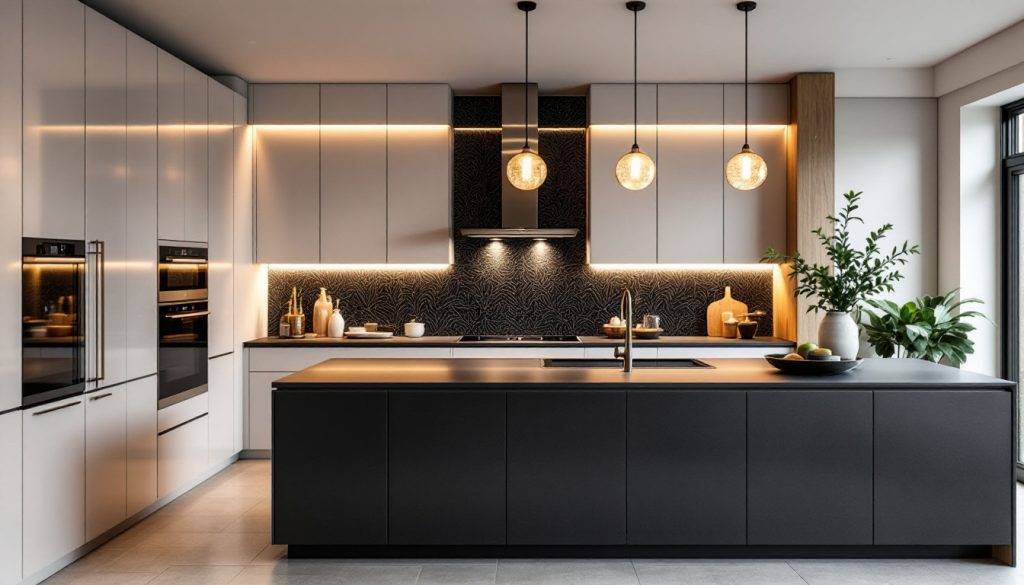
Ever wonder how standing in the kitchen all day impacts spinal health? Chefs spend countless hours crafting culinary masterpieces, often ignoring the toll it takes on their spines. Kitchen ergonomics, a critical yet overlooked aspect of culinary workspaces, could be the key to alleviating back strain and enhancing overall well-being. By reimagining kitchen layouts and adopting ergonomic practices, chefs can protect their spines while boosting efficiency. Dive into our comprehensive guide, “Kitchen Ergonomics: Elevate Spinal Health for Chefs,” to explore actionable tips and transform your cooking environment for a healthier back.
Understanding Kitchen Ergonomics and Spinal Health
Kitchen ergonomics is the science of designing and arranging kitchen spaces to promote health, comfort, and efficiency. For chefs, this is crucial due to the repetitive actions involved in food preparation, such as reaching, stretching, and bending. These motions, if not managed properly, can lead to significant spinal health issues. One of the most common risks is lower back strain, which arises from prolonged periods of standing without adequate support. This strain not only affects spinal health but can also lead to discomfort and decreased productivity. Ensuring that kitchen layouts and tools are ergonomically optimised helps minimise these risks, providing a safer working environment for culinary professionals.
- Reduces the risk of musculoskeletal disorders
- Enhances comfort and efficiency during food preparation
- Decreases fatigue and physical stress
- Improves posture and reduces back pain
- Increases overall productivity and job satisfaction
Implementing ergonomic practices in kitchen environments can lead to significant long-term health and productivity benefits. By reducing the physical strain associated with daily kitchen activities, chefs can maintain better spinal health, which contributes to sustained work performance and fewer sick days. Furthermore, ergonomic adjustments can enhance job satisfaction, as chefs are able to work more comfortably and efficiently. Over time, these improvements can contribute to a healthier workforce and a more productive kitchen environment, benefiting both individuals and the broader culinary industry.
Ergonomic Kitchen Design: Layout and Equipment
The kitchen work triangle is a foundational principle in ergonomic kitchen design that enhances both efficiency and spinal health. This concept recommends that the cooker, sink, and refrigerator form a triangular layout, reducing unnecessary movement and promoting a smooth workflow. By minimising the distance travelled between these key areas, chefs can decrease physical strain, allowing them to maintain better posture and reduce the risk of back injuries. This layout not only streamlines operations but also contributes to a safer and more comfortable working environment.
Choosing the correct working height for kitchen surfaces is vital to prevent backache and ensure ease of use. Ideally, work surfaces should be tailored to the user’s height; for most, this means a height between 850 and 950 mm. Proper storage solutions further enhance ergonomic efficiency. Utilising smart storage options, such as pull-out shelves and adjustable racks, helps avoid overstretching or bending. By organising frequently used items within easy reach, chefs can maintain optimal posture and reduce strain.
| Aspect | Recommendation |
|---|---|
| Surface Height | 850-950 mm, adjusted to user height |
| Storage Solutions | Use pull-out shelves and adjustable racks |
| Equipment Placement | Prioritise placement based on frequency of use |
| Work Triangle | Arrange cooker, sink, and refrigerator in a triangle |
Selecting ergonomic kitchen tools is crucial for maintaining spinal health during food preparation. Tools with ergonomic handles, such as knives and spatulas, reduce the risk of wrist and hand strain. Anti-fatigue mats placed at workstations can alleviate pressure on the lower back and legs, especially during prolonged periods of standing. These tools, when integrated into a chef’s daily routine, enhance comfort and reduce the likelihood of injury, promoting a healthier and more productive kitchen environment.
Techniques for Reducing Strain During Cooking

Maintaining proper posture is crucial for chefs to prevent spinal stress and promote long-term spinal health. A neutral spine position, where the back is neither overly arched nor hunched, helps distribute weight evenly across the vertebrae. This alignment minimizes pressure on the spine and reduces the risk of back injuries. Additionally, slightly bending the knees while standing and ensuring the pelvis remains neutral can further alleviate spinal tension. These posture adjustments are essential, particularly in environments where standing for extended periods is common, such as busy kitchens.
- Wear supportive footwear to cushion feet and distribute weight evenly.
- Use safe lifting techniques, such as bending at the knees and keeping objects close to the body.
- Take regular breaks to stretch and relieve muscle tension.
- Arrange frequently used items within easy reach to avoid unnecessary stretching.
- Utilize anti-fatigue mats to reduce lower limb and back strain.
Adjusting the culinary workspace is another effective strategy for supporting spinal health. Ensuring that work surfaces are at the appropriate height can significantly reduce the need to bend or stretch awkwardly, promoting a more comfortable posture. Organising the kitchen layout so that tools and ingredients are within arm’s reach reduces the physical strain associated with repetitive movements. By combining these adjustments with ergonomic cooking techniques, chefs can create a safer and more efficient cooking environment that supports their spinal health.
Tools and Accessories for Spinal Support in the Kitchen
Ergonomic kitchen tools and accessories play a crucial role in safeguarding spinal health, particularly in an environment where chefs are often on their feet for extended periods. By reducing physical strain and promoting better posture, these tools help prevent injuries and enhance overall wellness. Incorporating ergonomic solutions into the kitchen setup is a proactive step towards maintaining long-term spinal health, allowing chefs to perform their tasks more comfortably and efficiently.
Essential items for spinal support include anti-fatigue mats, which cushion the feet and reduce pressure on the lower back and legs. These mats are particularly beneficial during lengthy cooking sessions, providing relief from the hard surfaces commonly found in kitchens. Supportive footwear is another critical component, offering cushioning and even weight distribution to alleviate spinal stress. Additionally, utensils with ergonomic handles are designed to fit comfortably in the hand, minimising wrist strain and improving grip during food preparation.
Integrating these tools and accessories into a chef’s daily routine is straightforward and can significantly enhance comfort and spinal health. Positioning anti-fatigue mats at workstations where extended standing occurs can provide immediate relief. Wearing properly fitted supportive shoes throughout the day ensures continuous spinal support. Moreover, opting for ergonomic utensils in daily food preparation tasks reduces the risk of strain, contributing to a more efficient and comfortable working environment. Together, these ergonomic solutions foster a healthier and more sustainable kitchen practice, promoting overall well-being for culinary professionals.
Personal Insights and Testimonials from Chefs
Chefs often face significant challenges related to spinal health due to the demanding nature of their work environment. Prolonged standing, repetitive motions, and awkward postures are common issues that contribute to back pain and discomfort. These conditions can severely impact a chef’s overall well-being and productivity. Regular check-ups with an upper cervical chiropractor are advised, as they can play a crucial role in maintaining spinal alignment. Additionally, making strategic adjustments to the culinary workspace, such as optimising the height of work surfaces and ensuring tools are within easy reach, can significantly promote spinal health and alleviate discomfort.
Several chefs have shared their experiences regarding the positive outcomes of implementing ergonomic practices in their kitchens. For instance, Chef Liam, who suffered from chronic back pain, noted a marked improvement in his comfort and efficiency after introducing anti-fatigue mats and ergonomic utensils into his daily routine. Similarly, Chef Emma highlighted the benefits of adjusting her workstation to reduce unnecessary reaching and bending, which led to a substantial decrease in her back strain. “Implementing ergonomic solutions has transformed my work experience, reducing fatigue and enhancing my overall well-being,” says Chef Oliver, emphasising the profound impact that ergonomic practices can have on a chef’s daily life.
Chiropractic Care and Spinal Health for Chefs
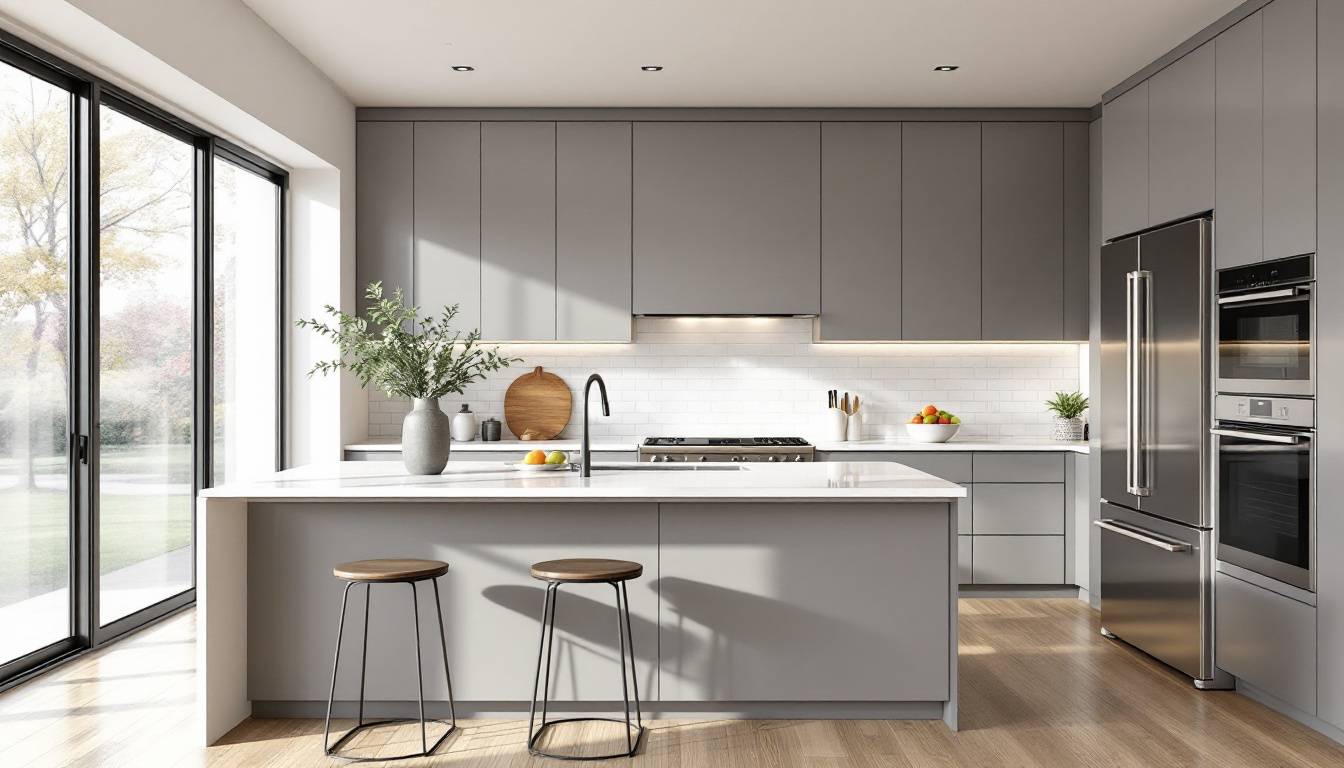
Regular chiropractic care is a vital component in maintaining spinal health for chefs, offering numerous benefits that complement ergonomic practices within the kitchen. By ensuring proper spinal alignment, chiropractic interventions help alleviate discomfort and prevent injuries, contributing significantly to a chef’s overall well-being and ability to enjoy cooking. Regular check-ups with an upper cervical chiropractor can address misalignments caused by repetitive kitchen tasks, reducing the risk of chronic pain and enhancing occupational health.
This proactive approach not only serves as an effective injury prevention strategy but also promotes sustained productivity and comfort during long shifts. Essential Chiropractic Torquay provides specialised care tailored to the needs of chefs, making it an excellent choice for those looking to invest in their spinal health. Through a combination of ergonomic adjustments and professional chiropractic care, chefs can achieve optimal spinal health, supporting both their physical demands and career longevity.
Final Words
Implementing kitchen ergonomics is crucial for improving spinal health, especially for chefs who spend long hours in the kitchen. By optimizing kitchen layouts and selecting ergonomic tools, individuals can significantly enhance their workflow and comfort.
Practical cooking techniques, such as maintaining a neutral spine and choosing supportive footwear, further contribute to reducing strain. Incorporating tools like anti-fatigue mats can effectively safeguard spinal health.
Personal testimonials from chefs illustrate the tangible benefits of ergonomic adjustments, while chiropractic care offers essential support in maintaining spinal alignment. Kitchen ergonomics is ultimately a valuable investment in well-being and culinary enjoyment.
Optimize your kitchen for spinal health – Explore Essential Chiropractic’s guide for chefs today!
FAQ
Q: What is kitchen ergonomics?
Kitchen ergonomics involves designing and arranging kitchen spaces to enhance health, comfort, and efficiency. It minimizes strain from repetitive actions like reaching, stretching, and bending, ensuring better spinal health.
Q: How does one optimise a kitchen for spinal health?
The correct kitchen design includes implementing the kitchen work triangle for efficiency, adjusting surface heights to prevent backache, and organising storage to reduce strain. Ergonomic tools should be used for daily tasks.
Q: Can you provide the benefits of kitchen ergonomics?
Implementing ergonomic practices reduces the risk of injury, enhances comfort, boosts efficiency, promotes long-term spinal health, and increases productivity in the kitchen environment.
Q: What are some techniques to reduce strain during cooking?
Key techniques include maintaining a neutral spine, slightly bending knees when standing, using supportive footwear, adopting safe lifting practices, and adjusting the workspace for spinal health.
Q: Which tools can support spinal health in the kitchen?
Essential tools include anti-fatigue mats, back-supportive footwear, and utensils with ergonomic handles. These items can significantly reduce strain and enhance comfort during kitchen activities.
Q: Why is using ergonomic kitchen tools important?
Using ergonomically designed tools and accessories can reduce the risks of strain and injury, supporting spinal health and improving a chef’s comfort and efficiency.
Q: What insights do chefs provide on ergonomic practices?
Chefs often report enhanced well-being and reduced spinal issues when integrating ergonomic adjustments into their kitchens, highlighting the importance of these practices for long-term health.
Q: How can chiropractic care benefit chefs?
Regular chiropractic care, such as those offered by Essential Chiropractic Torquay, can maintain spinal alignment and enhance well-being, effectively complementing ergonomic practices in the kitchen.